Mudroom Magic: Built-In Storage to Tame New England Winters
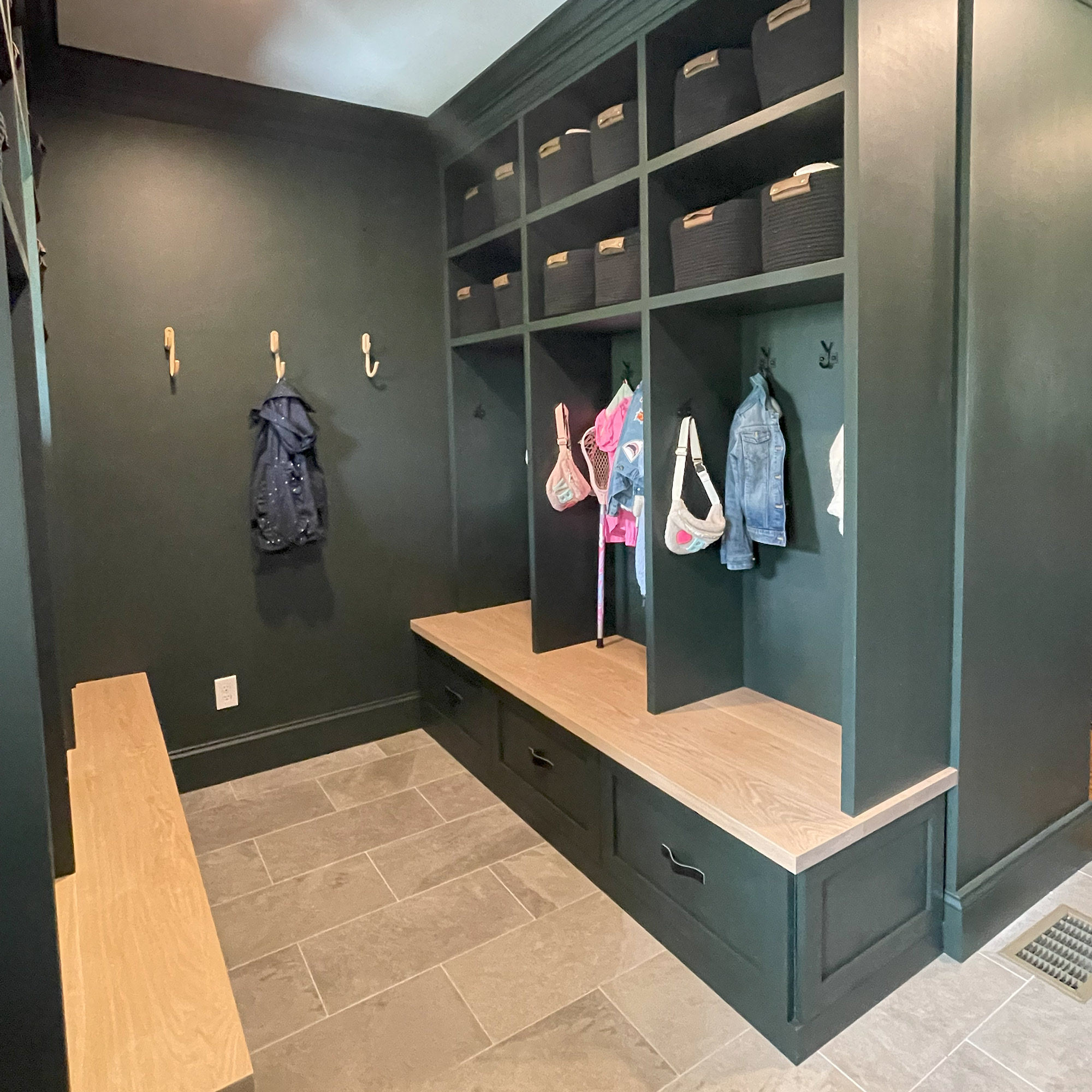
Tame the slush and layers by zoning your mudroom: a landing strip, a coat wall, and a clear pass-through. Add a slim flip-top bench with drip trays, charging cubbies, and staggered hooks. Build modular cubbies with ventilated backs, labeled totes, and pull-out wire boot trays over waterproof mats. Choose textured porcelain or LVP, plus a recessed mat well. Boost drying with louvered lockers, vent fans, and timer outlets for heated pegs. Set seasonal swap dates and color-coded labels—you’ll pick up smart tricks that tie it all together.
Smart Layouts for High-Traffic Entryways
Even in a narrow entry, start by mapping the flow: where shoes land, coats pile up, and bags drop after school or work. Then zone the corridor: a landing strip by the door, a vertical wall for coats, and a clean pass-through. To boost entryway functionality, float a slim bench with toe-kick space for robot vacs and drip trays beneath. Mount staggered hooks at child and adult heights, and add a rail shelf for hats that won’t avalanche. Choose closed compartments nearest the door to protect mudroom aesthetics during slushy spells. Use moisture-smart finishes: porcelain tile, marine-grade paint, sealed edges. Integrate motion lighting and a charging niche so gloves dry while devices power up. Label zones; rotate inserts seasonally to stay agile.
Custom Cubbies That Corral Winter Gear
While temperatures drop and gear piles up, build cubbies that assign every item a home and keep circulation clear. Start with modular cubby designs: narrow verticals for coats, half-height bays for backpacks, and small upper boxes for hats. Add perforated metal backs to boost airflow and dry damp layers faster. Integrate labeled totes for gloves and gaiters to streamline gear organization. Mount sturdy hooks inside each bay to keep bulky parkas off the floor. Use pull-out wire trays at the base for salty boots; they ventilate and slide out for cleaning. Size shelves to fit bins you already use, and stagger depths so aisles stay open. Finish with durable paint and marine-grade hardware to handle slush, grit, and repeat freeze-thaw cycles.
Benches With Hidden Storage for Quick Drop Zones
As temps dip and sandals give way to soggy boots, add a storage bench that doubles as a fast drop zone and keeps floors clear. You’ll streamline arrivals, stash essentials, and keep winter grit contained with compact, future-forward storage solutions.
- Choose a flip-top bench with soft-close hinges so you can toss hats and gloves quickly, then seal out drafts and visual clutter.
- Specify wipeable, water-resistant materials—think painted maple, marine-grade vinyl cushions, and a boot tray insert to manage melt and salt.
- Integrate charging cubbies under the seat for phones and headlamps; label compartments so mornings stay efficient.
- Mount a narrow rail of hooks above the bench for bags and scarves; add under-bench motion lighting so night entries stay safe and swift.
Design once, enjoy daily.
Deep Drawers for Boots, Skates, and Bulky Layers
Tackle winter clutter with deep drawers that breathe: add ventilated boot compartments so wet soles dry fast and don’t smell. Use glide-out skate trays to keep blades protected and easy to grab on busy rink days. Fit adjustable depth dividers to flex between tall boots in January and compact rain gear come spring.
Ventilated Boot Compartments
Even on slushy days, ventilated boot compartments keep your mudroom dry, tidy, and odor-free. You’ll speed boot drying and maintain steady air circulation by integrating perforated panels, slatted fronts, or mesh insets into deep drawers. Specify moisture-resistant liners and raised grates so meltwater drains below your gear, not into it. Pair with low-voltage toe-kick heaters or a whisper fan to accelerate turnover after school or ski runs.
- Choose tall, deep drawers sized for winter boots; add dividers to stand pairs upright and protect linings.
- Use removable drip trays under grates for quick dumping and sanitizing between storms.
- Vent fronts and backs to create crossflow; avoid blocking toe-kicks.
- Mount discreet hooks inside for gaiters and traction cleats, keeping pathways clear for fast exits.
Glide-Out Skate Trays
When winter gear sprawls, glide-out skate trays corral it in deep drawers that pull fully forward so you can see and grab everything fast. You’ll keep skates upright, boots paired, and helmets contained without wasting vertical space. Opt for soft-close, full-extension slides and moisture-resistant liners; meltwater won’t seep into cabinetry. Add perforated mats so blades and soles dry between uses. Label fronts by activity—hockey, pond, alpine—so seasonal gear storage stays intuitive.
Integrate low-profile rails to cradle skate blades, protecting edges and uppers. Slip a vented pouch inside each tray for gloves and wax. Quick skate maintenance tips: wipe blades after every session, insert guards before stowing, and drop desiccant packs to fight rust. In March, swap skates for mud-season cleats and rain layers.
Adjustable Depth Dividers
Two movable depth dividers turn one deep drawer into snug zones for boots, skates, and bulky layers that change with the season. You slide them forward for tall snow boots in January, then pull them back when spring sneakers and bike gear appear. Pair the drawer with adjustable shelves above to stage helmets, mitts, and drying trays without wasting vertical inches. The result: customizable compartments that flex as your gear rotates.
- Set one divider to brace boot shafts upright; the other corrals skates so blades don’t nick fabrics.
- Label edges for winter, shoulder season, and summer layouts; swap in seconds.
- Add perforated liners to vent slush and speed drying.
- Use low-friction tabs so dividers lock tight under load yet glide when you reconfigure.
Hooks, Rods, and Rails for Fast-Drying Outerwear
Before soggy coats and snow pants take over your entryway, add a simple system of hooks, rods, and rails to speed drying and keep gear off the floor. Prioritize outerwear organization by zoning: high hooks for parkas, mid-level for kids, and a low rail for boots with clip hangers. Stagger double rows of hooks to increase capacity without crowding. Mount a telescoping rod under a shelf to hang damp mittens with S-clips, improving drying efficiency and airflow.
Choose heavy-duty, wall-anchored rails that handle winter weight. Space hooks 6–8 inches apart to prevent overlap and faster evaporation. Add a short rod near a heat source—offset from the wall—to keep liners open. Label zones by user or activity so grab-and-go mornings stay quick.
Moisture-Resistant Finishes and Durable Materials
Protect your mudroom from slush and summer storms by choosing waterproof cabinetry surfaces you can wipe clean. Swap in rust-proof hardware—stainless, brass, or powder-coated—so hooks and hinges won’t corrode with wet gear. Finish with non-slip, sealed flooring that sheds puddles and keeps traffic safe in tight spaces.
Waterproof Cabinetry Surfaces
Even as seasons shift from slush to sun, choose waterproof cabinetry surfaces that shrug off moisture, mud, and salt. You’ll protect your investment and streamline cleanup with waterproof materials and advanced cabinetry finishes designed for New England swings.
- Specify marine-grade plywood or high-pressure laminate panels; they resist swelling, delamination, and warping when boots drip daily.
- Opt for UV-cured polyurethane or two-part catalyzed varnish; these cabinetry finishes seal edges, repel stains, and tolerate repeated wipe-downs.
- Add thermofoil or PET-laminate doors with seamless wraps; smooth skins prevent water ingress and clean fast in tight mudrooms.
- Elevate toe-kicks and integrate sloped, sealed bottoms; pooled meltwater drains forward, not into joints.
Choose neutral, light-reflective tones to maximize space. Finish edges meticulously; sealed perimeters outperform thick centers.
Rust-Proof Hardware Choices
While wet boots and thawing gear cycle through the year, choose hardware that won’t pit, stain, or seize. Prioritize marine-grade stainless steel, solid brass, or powder-coated aluminum for hooks, pulls, and hinges—reliable, rust resistant options that still read as stylish fixtures. Specify sealed ball bearings on slides and hinges to prevent grit from binding movement. Pick PVD or e-coat finishes; they outperform lacquer in salt-laden air and slushy seasons.
Opt for open-wire hooks and ventilated baskets so moisture dissipates fast, reducing corrosion. Use silicone-backed mounting gaskets to block seepage into screw holes. Choose self-draining boot trays with stainless rails and wall-mounted racks to free floor space. Keep spare desiccant packs in cubbies, and schedule a quick wipe-down after storms to extend finish life.
Non-Slip, Sealed Flooring
When slush and sand march in, choose non-slip, sealed flooring that shrugs off moisture and grit. You need surfaces that grip under boots, dry fast, and clean easier than a snow brush. Think compact, durable materials that won’t swell, stain, or chip when temperatures swing.
- Pick porcelain tile with textured faces—top non slip options that resist salt, stains, and scratches. Tight grout lines reduce grime traps.
- Consider luxury vinyl tile or plank—warm underfoot, waterproof, and budget-friendly. Look for embossed wear layers for winter traction.
- Seal natural stone or concrete with a high-quality penetrating sealer—sealed benefits include faster cleanup and reduced freeze-thaw damage.
- Add a recessed mat well at the door; it captures meltwater, protects finishes, and keeps traffic lanes dry without stealing space.
Flooring Solutions to Beat Slush, Salt, and Grit
Because slush, salt, and grit are inevitable in wet seasons, choose flooring that shrugs off moisture and abrasion. Prioritize dense porcelain tile or recycled rubber tiles—eco friendly materials that won’t spall under salt. Opt for textured finishes and matte glazes as slip resistant options without looking utilitarian. Specify dark, variegated tones to mask stains between cleanings.
Design smart connections: a recessed entry well with removable grates catches grit before it migrates. Add a narrow pebble-inset threshold to scrape soles without bulk. Use epoxy grout or urethane grout to block salt intrusion; keep joints tight for easy squeegee passes. Float a modular tray zone for drenched boots—snap-in panels lift for quick rinse-outs. Finish edges with metal Schluter strips, and run a 6–8-inch cove base to defend drywall from splashback.
Ventilation and Heating Tricks for Faster Dry Times
Set up a dedicated boot-drying zone with drip trays and wall hooks so wet gear hangs clear and drains fast. Boost airflow by routing a floor register or a small vent fan toward that zone, creating a steady path for moist air to exit. If you can, integrate low-profile radiant heat under benches or mats to add gentle, even warmth that shortens winter dry times without hogging space.
Dedicated Boot-Drying Zones
Even in a tight mudroom, you can carve out a dedicated boot-drying zone that speeds dry times and keeps slush from spreading. Focus on compact, modular pieces that handle heavy rotation without crowding your entry. Prioritize boot drying that fits your winter organization plan, so gear cycles from soaked to ready without bottlenecks.
- Install slim heated pegs or rails behind a shallow door—safe, low-watt warmth accelerates evaporation without overheating materials.
- Add perforated shelves over waterproof trays; rising warmth passes through soles while meltwater stays contained and easy to dump.
- Use wall-mounted boot clips to hold pairs upside down, opening shafts and exposing liners to airflow and gentle heat.
- Stash a timer outlet and hygrometer nearby to automate drying sessions and verify humidity drops, preventing musty buildup and wasted energy.
Vent-Boosted Airflow Paths
With boots squared away on heated pegs and drip trays, boost dry times by steering air where it matters. Carve slim vent chases behind cubbies and along toe-kicks to create vent-boosted airflow paths. Use quiet, low-watt inline fans to pull damp air up from floor level and exhaust it near the ceiling, preventing cold pockets. For airflow optimization, align intake grilles near wet zones and place returns above coat hooks. Add louvered doors on lockers so air can pass through without visual clutter. Install a humidistat switch to automate run-time during slushy spells. Choose washable metal filters to catch grit. Test ventilation techniques with a strip of tissue; adjust baffles until it flutters evenly. Keep paths unobstructed and corners rounded to reduce turbulence.
Radiant Heat Integration
Although vents handle airflow, you’ll speed dry times by tying radiant heat into the zones that stay wet the longest. Focus heat where slush-loaded boots, drenched gloves, and dog towels land. You’ll cut moisture fast without overheating the whole house, boosting energy efficiency and comfort.
- Install low-profile radiant heat mats under tile at entries and beneath bench cubbies; add a smart thermostat with floor sensor to target post-storm spikes.
- Run narrow radiant strips behind slatted boot shelves; the warm backplane wicks water from soles while preserving airflow.
- Slot a heated drip tray under coat hooks; pair with a micro-fan to push warm, dry air through sleeves.
- Zone-control the mudroom separately, enabling quick preheat cycles and shoulder-season efficiency without touching main systems.
Labeling Systems to Keep Families Organized
Before the next season rushes in, set up a simple labeling system so every hat, glove, and backpack finds its spot fast. Use family friendly labels that kids can read at a glance: icons for non-readers, bold text for older ones. Pair names with color coded systems—one hue per person—on hooks, bins, and drawers to cut morning scramble.
Choose moisture-proof labels and UV-safe ink so snow spray and salt don’t smear them. Mount slim aluminum label holders on cubbies to keep profiles tight. Stick NFC tags or QR codes on gear baskets for quick inventory and alerts when items go missing. Standardize positions—labels on the top-right of doors, front-left of bins—so muscle memory builds. Keep a label maker in the mudroom drawer for instant updates.
Seasonal Swap Strategies to Maximize Space
As temperatures shift, rotate gear on a set schedule so only current-season items live at arm’s reach. Use seasonal organization to streamline decisions, and target space optimization with modular bins, adjustable shelves, and slim hooks that adapt fast. Stash off-season bulk high, keep daily workhorses low, and let labels and color-coding guide the swap.
- Set quarterly swap dates; add calendar reminders and prep a “staging bin” for incoming/retiring gear.
- Use vacuum bags for puffers and duvets; slide them into overhead cubbies to free up floor space.
- Assign each person a swap-ready tote with clear fronts; rotate hats, gloves, sunscreen, or bug spray by season.
- Install double-height rails and flip-down boot trays; reconfigure shelf pegs to fit tall boots in winter, totes in summer.
Conclusion
Wrap up your mudroom like a wool mitten: snug, smart, and ready for the storm. You’ve carved lanes for traffic, tucked gear into cubbies, and hidden chaos under benches. Deep drawers swallow boots; hooks and rails drink up drips. Tough floors shrug off slush and salt while warm air hustles everything dry. Label it, swap it by season, and you’ll turn winter’s mess into muscle memory. Open the door, shake off the cold, and let order greet you first.
Frequently Asked Questions
1. What is the purpose of a mudroom in a New England home?
A mudroom acts as a buffer between the outdoors and your living space, helping contain dirt, snow, and moisture while keeping the rest of your home clean and organized.
2. What are the best mudroom storage ideas for winter?
The best solutions include built-in benches, cubbies, hooks, and closed cabinetry to store boots, coats, gloves, and wet gear efficiently during harsh winter months.
3. How do built-in mudroom cabinets improve organization?
Built-in cabinets maximize space by combining open and closed storage, keeping everyday items accessible while hiding clutter for a cleaner look.
4. What features should a functional mudroom include?
A well-designed mudroom should include seating, shoe storage, wall hooks, and durable materials that can handle heavy daily use and changing weather conditions.
5. How can I maximize space in a small mudroom?
Using vertical storage, multi-functional furniture, and custom built-ins helps make the most of limited space while keeping everything organized and easy to access.
6. Are mudroom built-ins worth the investment?
Yes—custom built-ins are highly effective because they are designed specifically for your space and storage needs, improving both functionality and long-term home value.
7. What materials work best for a mudroom in snowy climates?
Durable, moisture-resistant materials like tile flooring, treated wood, and easy-to-clean surfaces are ideal for handling snow, mud, and everyday wear in New England homes.