Bathroom Remodel Budget Breakdown: Where the Money Really Goes (and How to Control It)
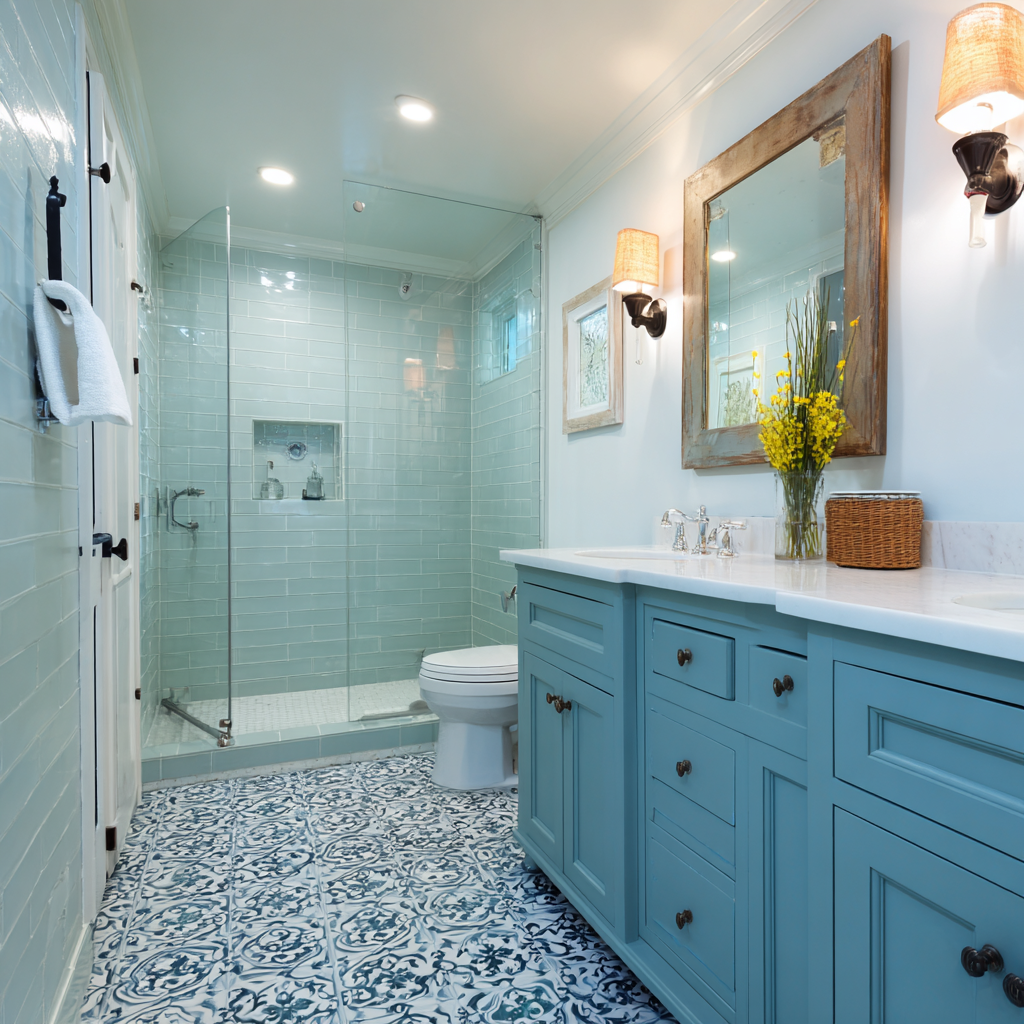
Your bathroom remodel budget mostly goes to labor and wet-work: expect labor at ~40%–60% on a full gut (25%–45% on a refresh), plus waterproofing, tile, and rough plumbing/electrical that must pass inspections. You control costs by locking a written scope (fixtures, SKUs, waterproofing system, tile layout, allowances), keeping plumbing locations, and preselecting in-stock materials. Add a 10%–15% contingency (20%+ if you open walls or move lines). Next up: the specific cost drivers and best places to trim.
What’s a Typical Bathroom Remodel Budget Range?
So, what should you actually budget for a bathroom remodel? For a typical bath renovation, plan on three tiers. A refresh with cosmetic updates (paint, fixtures, mirrors, lighting, and recaulk) often lands around $2,500–$7,500, assuming you’re not moving plumbing or opening walls. A mid-range remodel—new vanity, toilet, tub or shower surround, resilient flooring, upgraded ventilation, and GFCI/AFCI-compliant electrical—commonly runs $10,000–$25,000. A higher-end rebuild with a tiled shower, premium waterproofing, custom glass, smart controls, and efficient LEDs typically starts at around $30,000 and can exceed $60,000. Always reserve 10%–15% for permitted corrections, hidden water damage, or code-required upgrades discovered during demolition. That contingency keeps your specs intact.
What Affects Bathroom Remodel Cost Most (Scope, Size, Location)?
Your bathroom remodel cost depends most on scope, size, and location, so you’ve got to lock in the plan before work starts. Scope creep—upgrades to tile, fixtures, waterproofing, or code-required electrical and ventilation—adds labor, materials, and inspections fast. Bigger rooms, layout changes that move plumbing or walls, and higher local labor and permit fees can push the total up even when finishes stay the same.
Scope Creep And Upgrades
Where do bathroom remodel budgets blow up fastest? In scope creep: you add “just one” niche, swap a vanity, or move a valve after rough-in, and every change triggers redesign, re-permitting, extra labor, and new inspections. Lock the scope with a written spec: fixture model numbers, finish schedules, waterproofing system, tile layout, and allowances tied to real SKUs—not wishful placeholders.
Misalignment in upgrades is the other silent killer. You pick smart mirrors, heated floors, or digital showers, but your electrical load, GFCI/AFCI protection, ventilation, and framing blocking aren’t planned for them. Build a compliant upgrade roadmap by confirming circuit capacity, fan CFM, slope and drain compatibility, and lead times. Then approve changes only through priced change orders.
Size, Layout, And Location
Even with a locked scope and disciplined change orders, the biggest cost swing usually comes from the room’s size, the layout complexity, and the bathroom’s location in the house. Your size considerations drive everything: more square footage means more tile, membrane, heat, lighting, and ventilation capacity, as well as longer labor runs. Layout adjustments get expensive when you move plumbing: shifting a toilet or shower can trigger slab cuts, joist-drilling limits, vent-stack reroutes, and new shutoffs that must meet code and inspection requirements. Location matters too. A second-floor bath may require structural reinforcement, soundproofing, and longer supply/drain lines; a basement may need an ejector pump and a backwater valve. To control costs, keep fixtures near existing rough-ins and design for clearances that are accessible.
How Much Does Labor Add to a Bathroom Remodel Budget?
In most bathroom remodels, you’ll see labor eat up roughly 40%–60% of the total budget, especially when you’re paying for licensed, code-compliant plumbing and electrical work. Your final percentage is influenced by trade rates, driven by local demand, permit and inspection requirements, union vs. non-union labor, job complexity (tile layouts, waterproofing, relocation of lines), and site conditions. If you price labor by trade and lock in a detailed scope of work, you can compare bids cleanly and avoid change orders that inflate your total.
Labor Cost Percentages
How much of your bathroom remodel budget goes to labor? Expect labor costs to land around 40%–60% for a full gut, and 25%–45% for a cosmetic refresh. If you’re moving plumbing, upgrading electrical, or reworking ventilation, labor share climbs because code-required rough-in, inspections, and testing add hours. Higher-end finishes can flip the ratio: materials rise while labor percentage drops, even if total dollars increase. Track contractor rates as a line item, not a guess, and tie payouts to verified milestones.
- Demolition, haul-off, and site protection
- Rough plumbing and pressure testing
- Electrical, GFCI/AFCI, and lighting layout
- Waterproofing, tile setting, and grout curing
- Trim-out, punch list, and final inspection
Typical Trade Rate Factors
Why does the same bathroom remodel swing thousands in labor from one bid to the next? Trade rates flex with licensing, insurance, and local demand. A master plumber or electrician costs more because you’re paying for code compliance, permit pull, and liability coverage. Union scale, overtime rules, and travel time also move the needle. Complexity matters: curbless showers, in-wall carriers, and smart controls add layout time, testing, and coordination. Access is money—tight chases, concrete slabs, and occupied homes slow production. Scheduling affects price; if you want fast-track timelines, crews stack, and rates rise. Watch subtopic red flags: vague allowances, no permit line item, or missing waterproofing details. Ask for two-word ideas like “scope matrix” and “fixture schedule” to lock pricing.
Plumbing and Electrical Costs: What Gets Expensive Fast
Where does a bathroom remodel budget spike without warning? When you move pipes or add circuits, you trigger permits, inspections, and code-required upgrades that aren’t optional. You’ll also pay for access: opening walls, patching, and time on-site. Push innovation, but avoid design missteps like relocating the toilet or shower drain without a clear chase path; smart layouts protect cost savings. Electrical gets pricey when you need a new dedicated GFCI/AFCI circuit, heavier gauge wiring, or a panel upgrade. Plumbing advances with venting changes, pressure-balancing valves, and lead-free, corrosion-resistant materials.
- Relocating supply/drain lines vs. keeping rough-in
- Adding outlets, lighting zones, and smart controls
- Panel capacity, grounding, and bonding corrections
- Vent stacks, traps, and backflow/anti-scald requirements
- Permit fees, inspection rework, and concealed-damage fixes
Tile, Flooring, and Waterproofing: Real Price Drivers
After you’ve contained the “behind-the-wall” surprises, your budget can still jump fast at the surface—tile, flooring, and waterproofing carry high material costs, labor-heavy prep, and zero room for shortcuts. Tile costs rise with format, thickness, and layout complexity; large panels, mosaics, niches, and diagonal patterns slow cuts and demand tighter substrate tolerances. You’ll pay for flatness corrections, crack-isolation membranes, and proper thinset coverage to meet manufacturer specs and avoid lippage.
Waterproofing is where code and performance collide: liquid-applied membranes, sheet systems, and bonded drains need compatible components, correct cure times, and flood testing. Skip details like seams, corners, and penetrations, and waterproofing failures will erase any “savings.” Control spending by simplifying patterns and standardizing materials.
Vanity, Toilet, and Fixtures: Budget vs Midrange vs Luxury
How much does a “simple” swap of the vanity, toilet, and fixtures really move your remodel total? More than you think, because vanity pricing and fixture quality swing fast from commodity to engineered performance. You’ll stay cost-smart by comparing warranties, flow rates, and finish durability—not just looks—and by keeping every component code-compliant.
- Budget: MDF vanity, basic chrome, standard 1.28 gpf toilet; lowest cost, shortest lifespan
- Midrange: plywood box, quartz top, ceramic cartridge valves; best value per year
- Luxury: furniture-grade builds, smart toilet, thermostatic mixing valve; premium comfort
- Hidden adders: supply stops, traps, escutcheons, braided lines, disposal of old units
- Control moves: buy WaterSense, match rough-in specs, standardize finishes, limit custom sizes
When Layout Changes Raise Your Bathroom Remodel Budget
Even one layout change can spike your bathroom remodel budget because you’re no longer just swapping finishes—you’re moving plumbing and electrical that must meet code and pass inspection. When you shift a toilet, shower, or vanity, you extend supply lines, relocate drains, and often reframe walls or the subfloor to route piping cleanly. That layout impact also triggers patching: new drywall, waterproofing tie-ins, tile resets, and repainting beyond the changed area. If you move fixtures off the existing “wet wall,” you pay more for labor and materials, and you experience longer downtime. To avoid budget pitfalls, keep major fixtures aligned, choose a curbless pan sized to the current drain, and use smart storage or wall-hung fixtures to gain function without relocation. Consider modular partitions for flexibility.
Permits, Inspections, and Code Upgrades: What to Plan For
Layout changes don’t just add labor and materials—they can also trigger permits, scheduled inspections, and mandatory code upgrades that hit your bathroom remodel budget fast. You’ll need to budget permit costs early, because many cities require approval before you open walls or move plumbing. Plan inspections timing into your schedule so rough-in and final sign-offs don’t stall tile, paint, or fixture installs. If your home’s older, expect upgrades that meet today’s standards for safety, efficiency, and smart integration.
- Plumbing and electrical permits for relocated lines and new circuits
- GFCI/AFCI protection, dedicated bath circuits, and tamper-resistant receptacles
- Ventilation upgrades to code CFM, duct routing, and roof/wall termination rules
- Waterproofing requirements: backer board, membrane, and shower pan flood tests
- Accessibility and clearance checks: door swing, fixture spacing, and grab blocking
Bathroom Remodel Budget Contingency and Quick Ways to Save
Because bathrooms pack plumbing, waterproofing, and electrical into a tight footprint, you should set a hard contingency (typically 10–15% for a straightforward refresh and 20%+ if you’re moving lines or opening walls) and pair it with a few fast, code-safe savings moves: keep the existing plumbing locations to avoid permit-heavy rough-ins, reuse or refinish serviceable pieces (vanity boxes, cast-iron tubs) while replacing only wear items (valves, traps, shutoffs), and choose budget-friendly finishes that don’t compromise performance—like certified waterproofing systems, properly sized exhaust fans on a timer, and standard-size fixtures that cut custom framing, tile waste, and labor hours. Lock pricing with a detailed scope and alternates list. Preselect in-stock materials to dodge rush fees. Treat every unrelated topic or tangential idea as a change order, priced before you proceed.
Conclusion
You’ll keep your bathroom remodel budget on track by pricing the big drivers first: labor, plumbing/electrical, waterproofing, and tile. Lock your scope, measure accurately, and decide early whether you’re moving fixtures—layout changes spike costs fast. Don’t skip permits, inspections, or required code upgrades; they protect resale and safety. Build a 10–20% contingency for surprises behind walls. Remember: measure twice, cut once—planning saves money.