5 Built-In Alcove Ideas: Turning Awkward Nooks Into Cozy Home Offices and Reading Spots
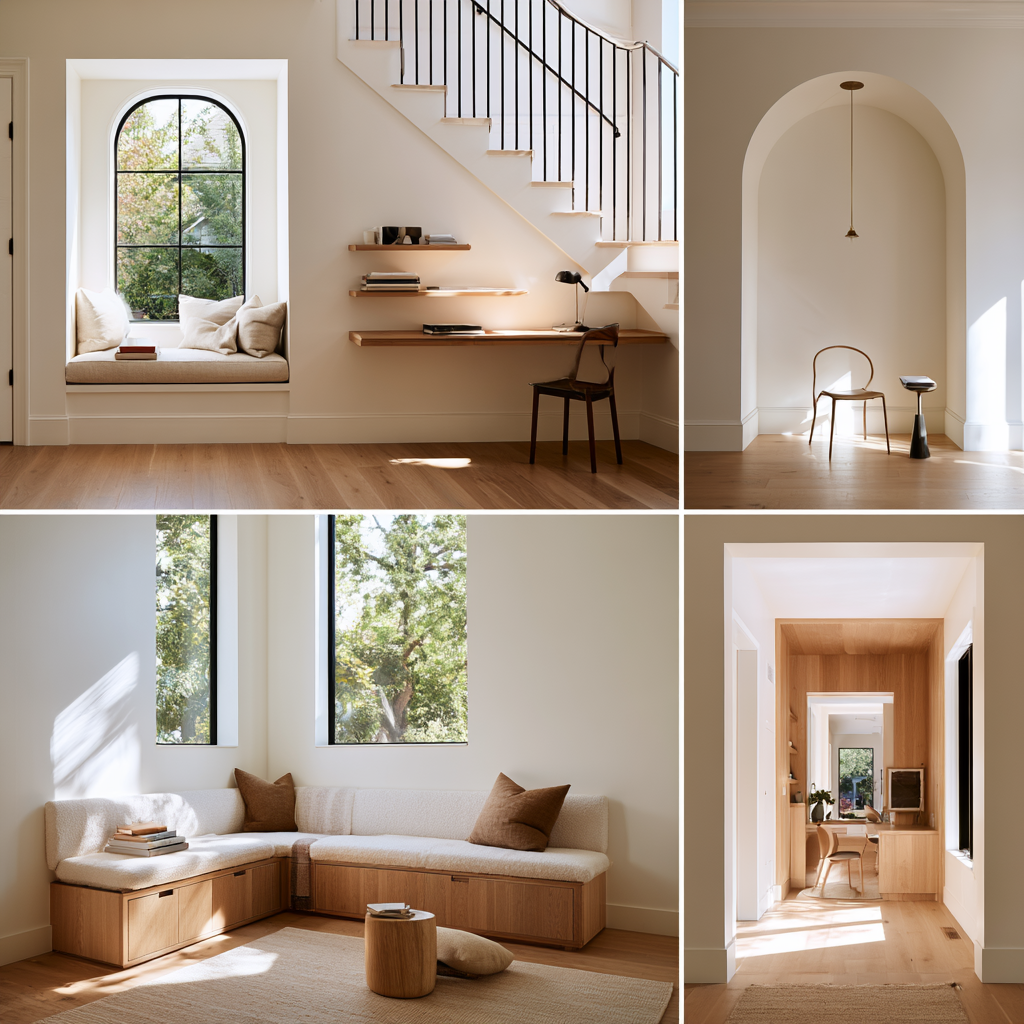
Turn an awkward kitchen alcove into a polished retreat with five tailored ideas. Install a floating desk, concealed cable channel, vertical shelving, and a privacy screen for a compact home office. Or create a curved, fabric-lined reading nook with a deep seat and directional sconces. Add a colorful window bench with drawers and flanking cabinets, or hide a fold-down desk inside flush cabinetry. Finish with layered lighting, ergonomic seating, tactile textiles, and edited accessories. Explore each approach for details that make your nook work beautifully.
Build a Compact Alcove Home Office
An overlooked alcove can become a polished home office with a slim desk, tailored shelving, and lighting scaled to the space. Choose a floating worktop to preserve floor area and make your compact workspace feel visually weightless. Measure wall depth carefully, then integrate drawers beneath the surface for chargers, notebooks, and daily essentials. Run shelving vertically to turn unused height into purposeful storage without crowding your chair. For alcove privacy, add a slatted screen, reeded-glass panel, or ceiling-mounted curtain that filters distractions while keeping daylight moving through the room. Install an adjustable wall sconce above the desk, and conceal cables inside a rear channel for a crisp finish. Finish with one sculptural accessory and a supportive, narrow-profile chair that slides completely underneath. Your nook will feel intentional, efficient, and distinctly yours.
Create a Cozy Built-In Reading Nook
Could a forgotten corner become your favorite place to unwind? Transform an alcove into a built-in reading nook by framing it with tailored panels and a softly curved back, creating architectural focus without consuming floor space. Keep the palette calm, then layer tactile contrast for an inviting, contemporary retreat.
- Fit a deep, supportive seat sized for relaxed reading.
- Add cozy cushions in varied shapes to soften the geometry.
- Wrap the interior in warm fabrics, such as boucle or brushed linen.
- Install directional sconces or concealed LED strips for adjustable glow.
Choose a finish that echoes nearby millwork, or introduce fluted detailing for a fresh, crafted edge. A slim ledge can hold a book and tea while preserving visual lightness. You’ll create a defined destination that feels integrated, intimate, and effortlessly personal.
Add Alcove Storage and a Window Seat
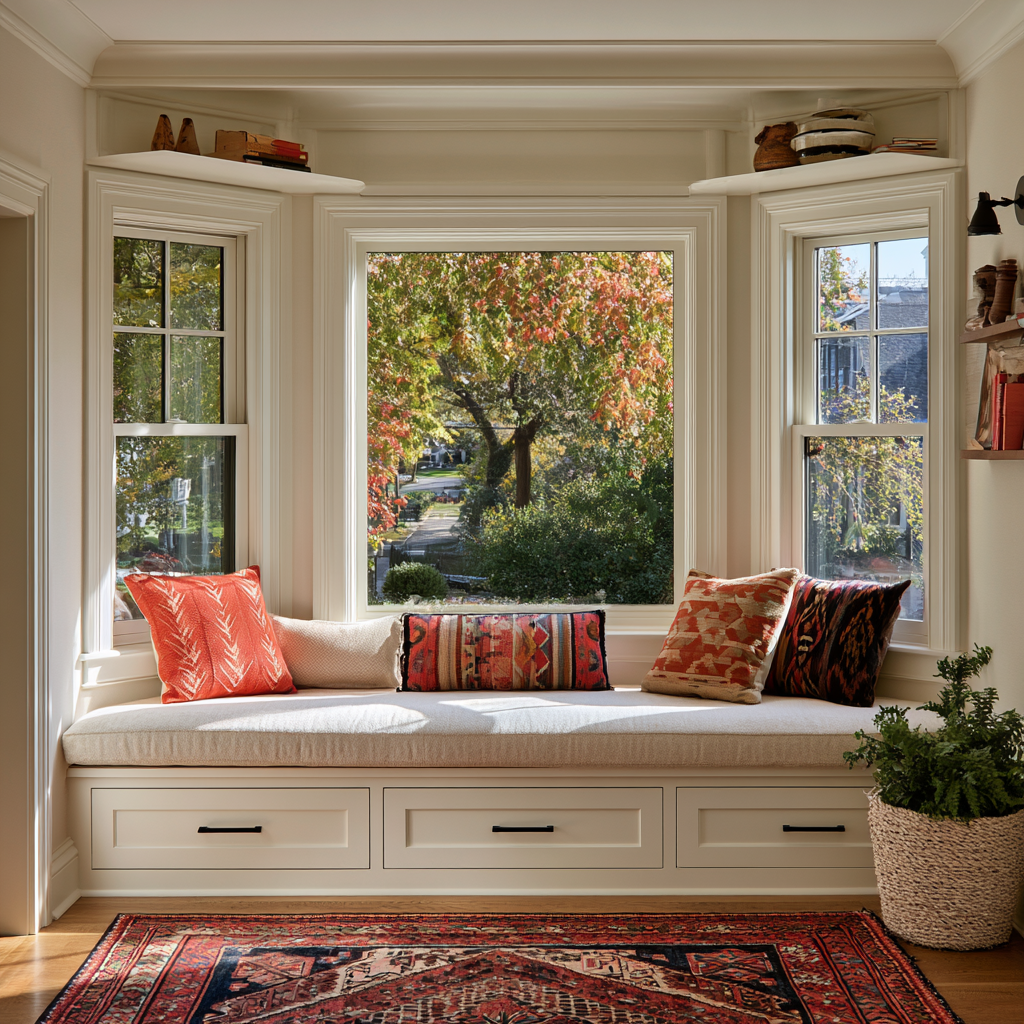
Make an underused alcove work harder by pairing a tailored window seat with streamlined storage below and alongside it. Measure the recess carefully, then build a low bench that follows its width without crowding the sill or blocking natural light. Choose a durable, washable cushion in a saturated color to give the window seat architectural presence. Below, deep drawers keep throws, books, and seasonal accessories close at hand while preserving a calm, uncluttered view. Add tall, shallow cabinets at either side for balanced alcove storage; their vertical lines can make a narrow nook feel more substantial. Continue the cabinetry’s finish across the bench face for a cohesive composition, or introduce fluted wood for tactile contrast. Keep handles discreet, and align shelves with the window trim to create a polished, intentional frame.
Design a Multifunctional Alcove With Hidden Storage
When space needs to serve more than one purpose, design the alcove with concealed storage that keeps its working parts out of sight. Build cabinetry flush with the surrounding wall so your multifunctional workspace shifts smoothly between focused tasks and relaxed reading. Use consistent doors, recessed pulls, and a calm finish to preserve a clean architectural plane.
- Install a fold-down desktop that disappears behind a cabinet panel.
- Add adjustable shelves for books, files, and craft supplies.
- Reserve a shallow drawer for chargers, notebooks, and everyday tools.
- Include a pull-out surface for temporary sorting or a project.
Coordinate every module with the alcove’s dimensions, keeping circulation clear and visual weight balanced. Hidden storage works best when each compartment has a defined purpose, so you’ll reset the space quickly and maintain its effortless appearance.
Add Lighting, Seating, and Finishing Touches
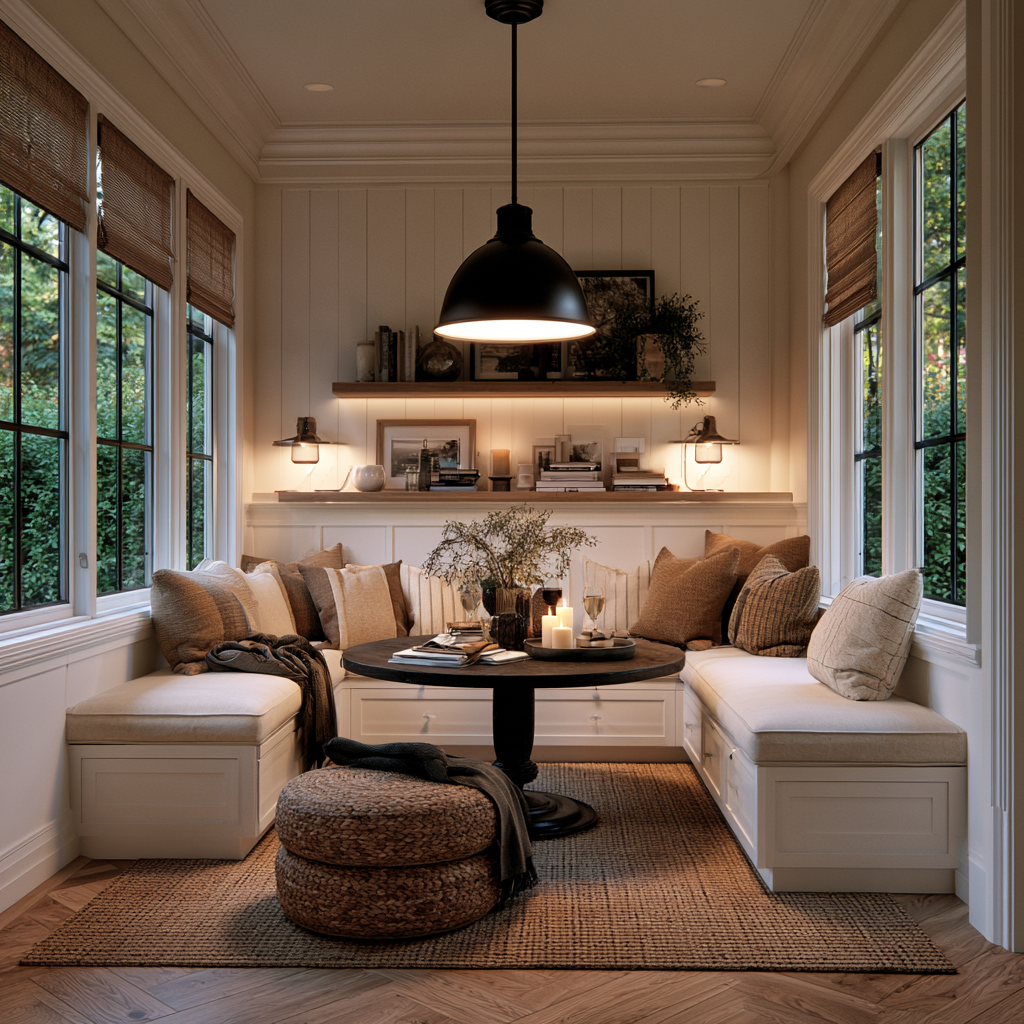
Finally, layer lighting, seating, and tactile accents to make the alcove feel inviting without compromising its flexibility. Start with lighting layering: combine a dimmable ceiling fixture, an adjustable task sconce, and a warm LED strip beneath shelves. This arrangement eliminates shadows while letting you shift from focused work to relaxed reading. Choose a chair or built-in bench with seating ergonomics in mind, including lumbar support, adequate depth, and a cushion that holds its shape. If the nook serves multiple users, add a movable ottoman or slim pull-out stool. Finish with tactile contrast: pair smooth millwork with woven upholstery, a nubby throw, and a small rug that defines the zone. Keep accessories edited, using art, greenery, or sculptural bookends to express personality without crowding your newly adaptable retreat.
Frequently Asked Questions
What Permits Might Be Required for Building a Permanent Alcove Installation?
You might need building permits for a permanent alcove, especially if you’ll alter walls, framing, electrical circuits, plumbing, windows, or egress. Your local authority decides requirements, so request a permit overview before construction. Structural considerations matter when you remove studs, anchor cabinetry, or add a raised platform; a professional may need to verify load paths and fire safety. You’ll also want electrical permits for outlets, lighting, or hardwired fixtures, plus inspections before closing walls.
How Can Renters Create an Alcove Without Making Permanent Structural Changes?
You can transform any neglected corner into a spectacular alcove—without touching a stud! Define the zone with a freestanding bookcase, folding screen, or ceiling-height curtain, then layer a slim desk, cushioned bench, and plug-in sconces. Explore aisle storage carts for flexible organization, and adapt window seat ideas with a movable storage ottoman beneath the sill. Choose lightweight, removable pieces, protect floors with felt pads, and keep pathways clear for a polished, reversible retreat.
What Materials Best Withstand Humidity in Bathroom or Basement Alcoves?
Choose humidity resistant materials such as PVC, marine-grade plywood, powder-coated metal, porcelain tile, or compact laminate for bathroom and basement alcoves. You’ll prevent swelling, warping, and mildew by avoiding untreated MDF and standard drywall. Seal wood edges carefully, then apply moisture safe finishes, including polyurethane, epoxy, or bathroom-rated paint. Add ventilation, elevate shelving from damp floors, and favor open-backed designs so air circulates behind storage, seating, or cabinetry.
How Much Does a Professionally Built-In Alcove Typically Cost?
You’ll typically pay $2,000–$8,000 for a professionally built-in alcove, though elaborate cabinetry, lighting, plumbing, or premium finishes can push the cost beyond $15,000. Your cost range depends on dimensions, materials, access, and regional labor rates. Ask for an itemized quote covering framing, electrical work, shelving, paint, and installation. To control spending, prioritize structural storage, then layer design ideas like integrated LEDs, fluted panels, or a sculptural bench for visual impact.
Can Built-In Alcoves Improve a Home’s Resale Value?
A built-in alcove can act like a quiet investment, adding polish without shouting. For built-in alcove resale, you’ll usually gain value when the design looks intentional, uses quality materials, and serves a clear purpose, such as a compact office, reading nook, or storage wall. Its alcove value impact depends on neighborhood expectations, craftsmanship, and flexibility. Keep finishes timeless, wiring discreet, and proportions harmonious so buyers can immediately imagine themselves using the space.
Conclusion
Whether you’re carving out a compact office, framing a reading nook, or tucking storage beneath a window seat, an alcove can become the room’s most purposeful detail. Layer in concealed storage, tailored lighting, and seating that fits the proportions, and the awkward gap starts to feel intentional. But don’t stop at function: choose one memorable finish—a painted arch, patterned cushion, or warm wood panel. That final detail may be what transforms your overlooked corner completely.