Custom Carpentry Upgrades That Offer the Highest ROI in Coastal New England
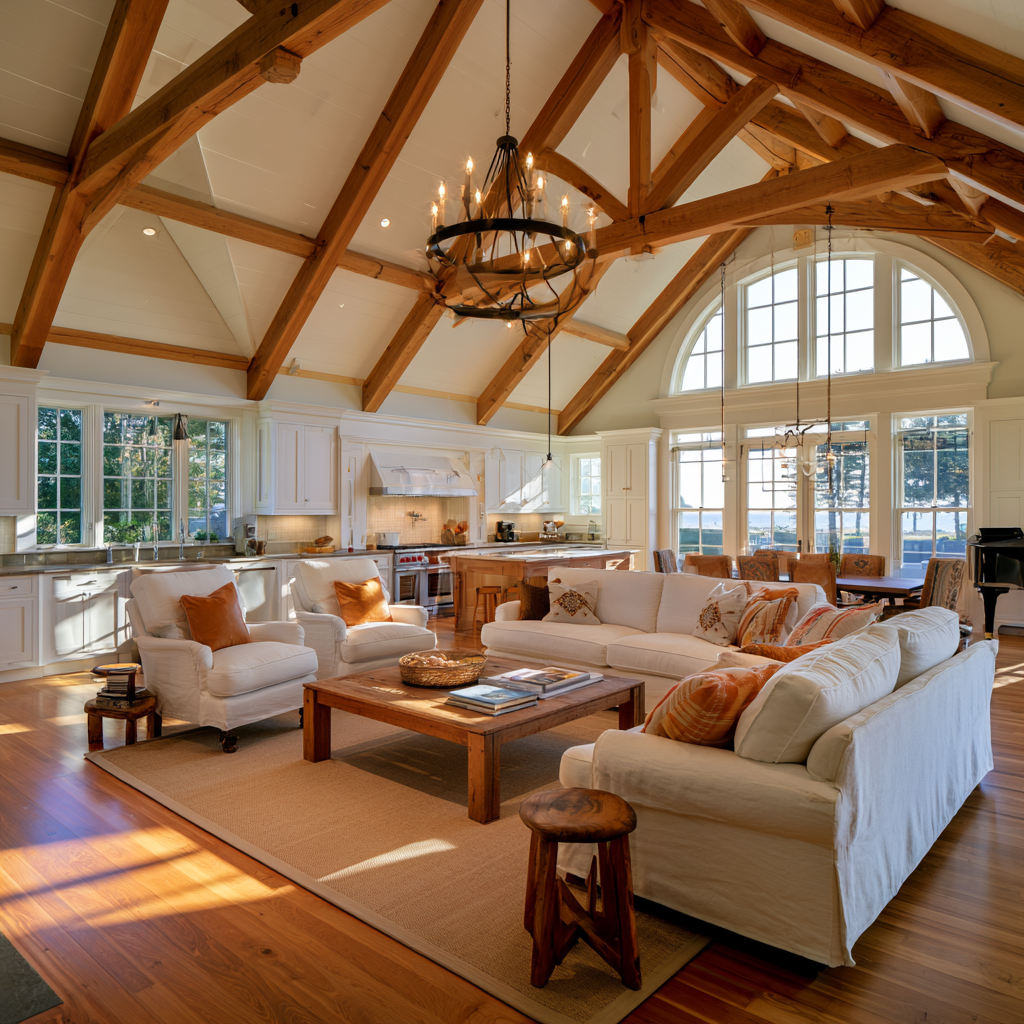
In coastal New England, you’ll typically see the best carpentry ROI from moisture-resistant mudrooms, built-in storage, kitchen upgrades, durable trim, and porches. Add ventilated lockers, pantry pullouts, window-seat drawers, and concealed cabinets to improve daily function and buyer appeal. Choose sealed hardwood, marine-grade finishes, corrosion-resistant hardware, and nonporous wet-zone flooring to reduce maintenance. Prioritize rot-prone exterior details, then compare five-, 10-, and 20-year costs with a 10–20% contingency. The following strategies show how to protect value.
Which Custom Carpentry Upgrades Offer the Best ROI?
In coastal New England, the custom carpentry upgrades with the strongest ROI are those that improve daily function while complementing local architectural styles: built-in storage, durable mudrooms, energy-efficient windows and doors, and well-designed kitchens. Prioritize projects that solve visible problems and withstand salt air, humidity, snow, and heavy foot traffic. A custom mudroom with moisture-resistant flooring, ventilated cabinetry, and organized drop zones can protect finishes while appealing to buyers. Energy-efficient windows and doors reduce drafts, lower utility costs, and preserve historic character when properly designed. In kitchens, durable millwork, efficient layouts, and adaptable islands support everyday living and modern market trends. Pair these improvements with thoughtful coastal lighting to highlight craftsmanship and improve safety. Choose materials and details that look distinctive, perform reliably, and make your home easier to sell.
Add Built-In Storage That Buyers Notice
You can turn unused wall space into valuable storage, especially in compact coastal New England homes. Purpose-built mudroom benches, pantry cabinets, and bedroom shelving help buyers picture everyday convenience and may strengthen your resale appeal. Choose precise joinery and durable finishes to highlight craftsmanship that justifies the investment.
Maximize Unused Wall Space
Unused wall space can become one of the most cost-effective upgrades in a Coastal New England home when custom built-ins add storage without expanding the footprint. To maximize unused wall space, look above stair landings, beside fireplaces, and beneath sloped ceilings—areas that often go unnoticed in older Cape and Colonial homes. Shallow cabinetry, floating shelves, and streamlined display niches can optimize walls while preserving valuable floor area. Choose moisture-resistant finishes and durable hardware to withstand salty air, seasonal humidity, and busy household use. Keep proportions tailored to the room, with concealed compartments that reduce visual clutter and make everyday living easier. Buyers notice craftsmanship that feels integrated rather than improvised. By using overlooked vertical surfaces strategically, you’ll improve function, architectural character, and resale appeal without undertaking a costly addition.
Create Purpose-Built Storage
Purpose-built storage turns everyday clutter into a visible selling point, especially in compact Coastal New England homes where square footage comes at a premium. You’ll make each space work harder with custom storage designed around how buyers live, entertain, and prepare for changing seasons.
- Add mudroom lockers for boots, coats, beach gear, and snow-day essentials.
- Build window-seat drawers to capture hidden capacity without shrinking living areas.
- Install pantry pullouts that modernize narrow kitchens and improve daily access.
- Create recessed linen or media cabinets that keep rooms calm and market-ready.
These upgrades support coastal organization while addressing salt, sand, wet outerwear, and limited closets. Choose flexible interiors, adjustable compartments, and durable hardware, so the investment serves future owners, too. When storage looks intentional and saves time, buyers recognize practical value—and you strengthen resale appeal without expanding the footprint.
Highlight Quality Craftsmanship
What makes built-in storage stand out to Coastal New England buyers? It’s the visible proof of quality craftsmanship: tight joinery, smooth hardware, durable finishes, and details that feel designed for the home rather than added later. Specify moisture-resistant plywood, solid hardwood, and other coastal materials that withstand salt air, seasonal humidity, and busy beach-house living. In mudrooms, combine ventilated cubbies, boot drawers, and concealed charging stations. In kitchens, add appliance garages and pull-out pantry storage that preserve clean sightlines. In bedrooms, integrate adjustable shelving and soft-close drawers to maximize every inch. These practical innovations photograph well, function daily, and signal lasting value during resale. You’ll attract buyers who recognize superior construction—and support a stronger return without overspending on features they can’t see.
Build Mudrooms That Handle Coastal Life
A well-designed mudroom protects your Coastal New England home from salt, sand, and wet gear while strengthening resale appeal. Choose salt-resistant entry materials, built-in storage for coats and boots, and durable wet-zone flooring that handles daily moisture. These practical upgrades reduce maintenance and help buyers see lasting value.
Salt-Resistant Entry Materials
Coastal New England mudrooms earn their keep when they resist salt, sand, and wet-weather wear without constant repairs. For a salt-resistant entry, choose materials that protect your investment and preserve resale appeal.
- Install marine-grade plywood or fiberglass-reinforced panels where boots and dripping gear land.
- Specify porcelain tile with textured surfaces; it handles freeze-thaw cycles and cleans easily after beach days.
- Use stainless-steel hooks, door hardware, and fasteners to limit corrosion from ocean air.
- Seal wood thresholds and trim with weatherproof finishes designed for humid, high-salinity conditions.
Prioritize sealed edges and raised transitions, which prevent water from reaching vulnerable substrates. Ask your carpenter to test samples against sand abrasion and deicing salt before installation. Though premium materials cost more upfront, they reduce refinishing, replacement, and moisture-related repairs, delivering stronger long-term ROI in Cape Cod, coastal Maine, and Rhode Island.
Built-In Storage Solutions
Once salt-resistant surfaces are in place, built-in storage keeps wet, sandy gear contained and protects the mudroom’s finish. In coastal New England, you’ll gain more value from custom coastal storage than from freestanding cabinets that waste corners and swell near busy entries. Design tall cubbies for boots, life jackets, and beach chairs, then add ventilated lockers for coats and waders. Durable hooks, removable baskets, and labeled shelves help every family member reset the space quickly. Built ins can also conceal charging stations, pet supplies, and seasonal equipment without shrinking your walkway. Choose moisture-tolerant plywood, sealed edges, and corrosion-resistant hardware to limit maintenance. Thoughtful dimensions preserve usable space in compact Cape and coastal cottage layouts, improving daily function and strengthening resale appeal for future buyers.
Durable Wet-Zone Flooring
Choose nonporous, slip-resistant flooring that can handle tracked-in salt, sand, snow, and standing water without constant repairs. In coastal New England, porcelain tile, luxury vinyl, and sealed concrete outperform porous materials in busy mudrooms. Pair durable flooring with a heated underlayment or zoned drying system to reduce moisture, odors, and winter wear. A thoughtful installation protects subflooring and strengthens resale appeal.
- Porcelain tile: Resists salt, scratches, stains, and freeze-thaw stress.
- Luxury vinyl: Delivers warmth, quiet performance, and easy replacement.
- Sealed concrete: Offers modern durability with minimal maintenance.
- Custom transitions: Keep water away from adjoining hardwood.
Add sloped thresholds, a trench drain, and washable entry mats for smarter water control. Finish with moisture-resistant coastal moldings, sealed joints, and concealed shoe storage. You’ll spend less on repairs while creating an innovative, welcoming arrival zone.
Increase Resale Appeal With Custom Trim
Custom trim can increase resale appeal in Coastal New England by giving buyers the craftsmanship they expect in older homes while adding a polished, updated finish. You can prioritize high-visibility upgrades, including substantial baseboards, crisp door casings, window stools, and built-in entryway storage. Match trim detailing to your home’s architecture, whether you’re restoring Victorian profiles in Providence or simplifying Shaker-inspired lines on the Maine coast. Durable, paintable materials and precise installation help your investment withstand salt air, seasonal humidity, and frequent temperature changes. Choose coastal color palettes—soft white, blue-gray, or muted sand—to complement natural light without making rooms feel themed. Before committing, compare estimates and ask your carpenter to address uneven walls. Thoughtful trim creates memorable first impressions, improves listing photos, and can support a stronger asking price.
Upgrade Kitchens With High-Value Woodwork
High-value kitchen woodwork can improve daily function and resale appeal in Coastal New England homes when it combines durable construction with thoughtful storage. Choose upgrades that reflect local buyers’ priorities without sacrificing modern convenience:
- Build rift-sawn white-oak cabinets with moisture-resistant finishes for humid, salt-air conditions.
- Add deep drawer systems, appliance garages, and custom pantry pullouts to make compact kitchens work harder.
- Install a hardwood island with integrated seating, charging outlets, and concealed recycling bins for flexible entertaining.
- Use locally inspired details, such as beadboard, reclaimed accents, or hardware referencing vintage sailmaking, to create memorable character.
A durable stone-and-wood workspace can support everyday cooking and a coastal wedding reception alike. Prioritize precise joinery and repairable components; they extend service life and protect your investment. Compare projected resale value with installation costs before selecting premium species or smart storage features.
Add Durable Coastal Porches and Exterior Details
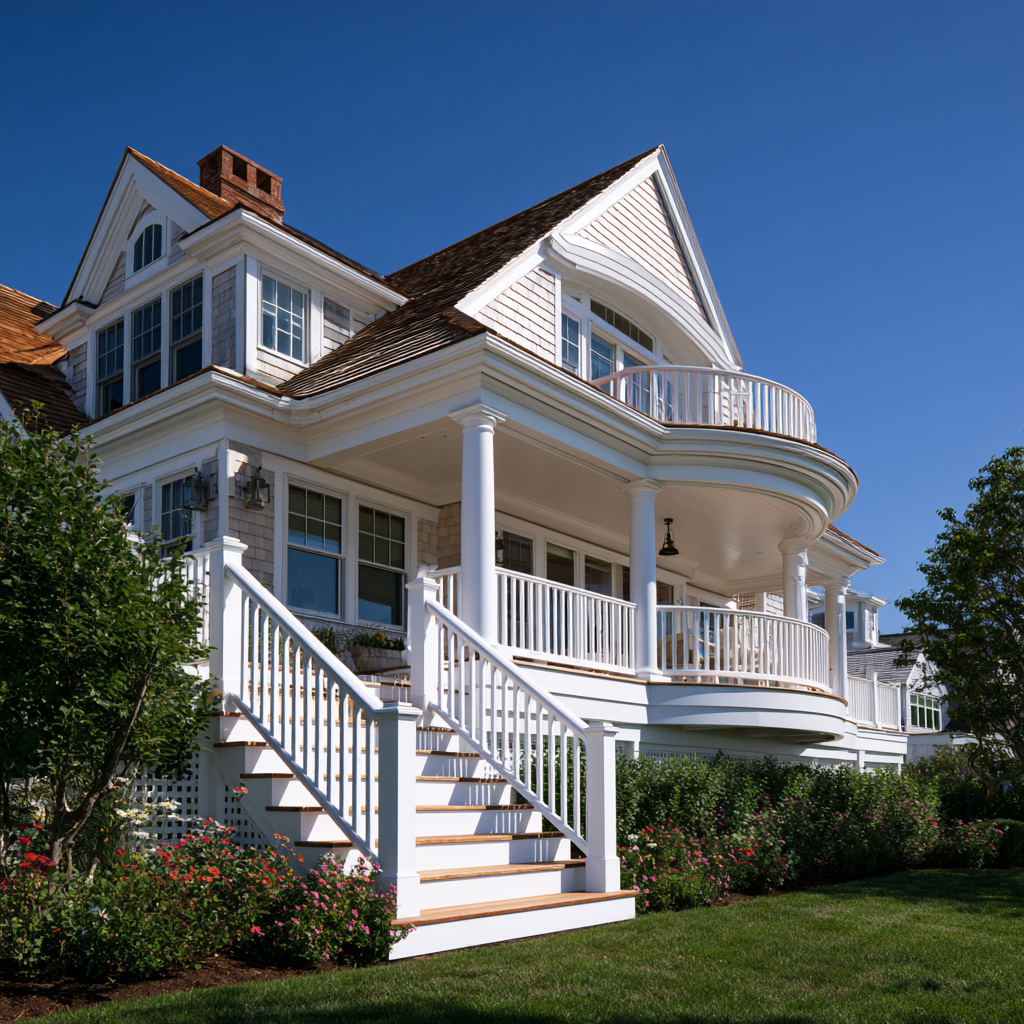
Coastal porches and exterior woodwork can deliver strong ROI when they withstand wind, salt air, freeze-thaw cycles, and heavy seasonal use. Choose rot-resistant cedar, cypress, or thermally modified wood, then protect it with marine-grade finishes and concealed stainless-steel fasteners. These choices reduce maintenance while preserving curb appeal in Cape Cod, Rhode Island, and Maine communities.
For coastal porch ideas, consider screened porches, built-in benches, cable railings, and deep overhangs that expand usable living space without overwhelming the façade. Add durable trim, custom shutters, and a well-designed entry canopy to strengthen first impressions and weather protection. Exterior detailing innovations, such as water-shedding profiles, ventilated cladding, and integrated lighting channels, can improve performance and create a distinctive look. Prioritize craftsmanship and repairable components so your investment attracts buyers and performs reliably through every season.
Set a Coastal-Ready Carpentry Budget
How much should you allocate for carpentry that performs reliably in New England’s coastal climate? Build a coastal budget around lifecycle value, not the lowest bid. Salt air, driving rain, freeze-thaw cycles, and storm exposure demand upgraded materials and precise installation.
- Set priorities: Fund rot-prone porches, trim, windows, and entry systems first.
- Specify resilience: Compare marine-grade finishes, pressure-treated framing, PVC, cedar, and corrosion-resistant fasteners.
- Reserve contingency: Hold back 10–20% for hidden damage, substrate repairs, and code updates.
- Measure returns: Track maintenance savings, energy performance, curb appeal, and resale influence.
For ROI planning, ask your carpenter to model five-, 10-, and 20-year costs. Innovative details—ventilated rainscreens, concealed drainage, and smart moisture monitoring—can protect your investment. Prioritize upgrades that reduce recurring repairs while complementing your property’s coastal character. Get itemized proposals and warranties before signing.
Frequently Asked Questions
How Long Does Custom Carpentry Typically Take From Design Approval to Project Completion?
You’ll typically spend 6–12 weeks from design approval to completion, though project size and coastal conditions can shift that timeline. Allow 1–3 weeks for final design timelines, material selection, and engineering, then 2–6 weeks for permit processes in your New England town. Fabrication and installation usually require 3–8 weeks. You’ll protect ROI by confirming scope early, choosing durable marine-grade materials, and scheduling before peak summer demand and weather disruptions.
Do Coastal Building Codes Require Special Permits for Exterior Carpentry Upgrades?
Yes—coastal exterior carpentry often requires special permits, and roughly 40% of U.S. coastal counties enforce additional flood-related requirements. Coastal codes may govern elevations, wind resistance, corrosion protection, setbacks, historic districts, and shoreline zones. Before approving plans, your contractor should verify local rules and submit engineering documents. Faster Permit approvals reduce carrying costs, while compliant materials protect resale value. Ask for a code review upfront to prevent redesigns and maximize your renovation’s ROI.
How Should Homeowners Maintain Custom Woodwork Exposed to Salt Air and Humidity?
You should inspect custom woodwork each spring and fall, watching for peeling finish, swollen joints, mildew, and fastener corrosion. Wash surfaces gently with fresh water, let them dry fully, and recoat exposed areas before moisture penetrates. Choose flexible, UV-resistant **Coastal finishes** suited to cedar, mahogany, or treated pine. For reliable **Salt air maintenance**, seal end grain, improve drainage, and replace rusting hardware with stainless steel. These steps preserve appearance, performance, and resale value.
Can Existing Historic Features Be Preserved or Incorporated Into New Carpentry Designs?
Yes—you can preserve historic features while integrating them into new carpentry. For example, you might restore a century-old New England window seat, then add hidden moisture-resistant framing and matching built-ins. This approach protects architectural character while improving storage, durability, and resale appeal. Prioritize historic preservation, document original materials, and specify finishes suited to coastal compatibility. You’ll gain modern performance without sacrificing authenticity, making the investment practical for humid, salt-air conditions and future buyers.
What Warranties Do Custom Carpentry Contractors Typically Provide?
Custom carpentry contractors typically provide one-year workmanship warranties, while premium firms may offer two to five years. You’ll usually receive warranty coverage for installation defects, structural issues, and premature material failure, but review scope limitations carefully. Coastal New England projects may exclude storm damage, salt exposure, rot, or owner neglect. Ask for written terms, manufacturer guarantees, maintenance requirements, and response procedures. Strong documentation protects your investment and supports better resale value.
Conclusion
In coastal New England, the best carpentry upgrades balance everyday function, weather resistance, and buyer appeal. Prioritize built-in storage, hardworking mudrooms, refined trim, kitchen woodwork, and durable porches—features that make your home easier to live in and easier to sell. Choose materials suited to salt air and shifting seasons, then match the scope to your neighborhood’s market. Remember, “you get what you pay for”: thoughtful craftsmanship can protect your investment and strengthen resale value.