Built-Ins vs. Store-Bought Furniture: Why Custom Millwork Is Worth the Investment
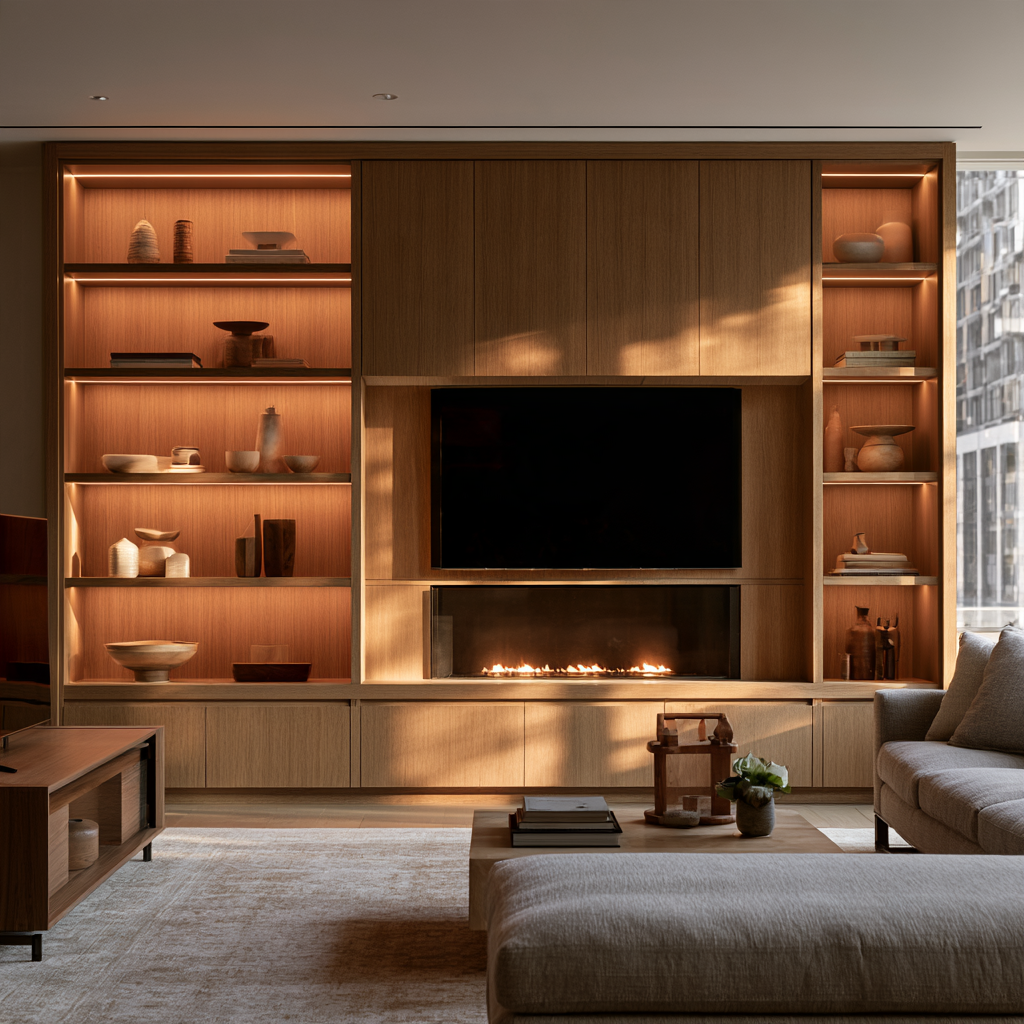
Custom built-ins are worth the investment when you need storage and furnishings tailored to your home’s exact dimensions, architecture, and routines. You’ll eliminate awkward gaps, maximize difficult areas, and gain durable cabinetry designed for daily use. While freestanding furniture costs less and moves easily, it can’t match integrated function or a refined, permanent finish. With costs typically ranging from $175–$350 per linear foot, thoughtful planning helps you choose the solution that best fits your space.
Built-Ins vs. Furniture: Quick Decision Guide
When your room demands an exact fit, custom built-ins offer advantages that store-bought furniture can’t match. You gain seamless integration at walls, ceilings, and floors, without distracting gaps or filler strips. Choose built-ins for high-use areas—entryways, closets, offices, and mudrooms—where tailored drawers, shelving, benches, and cubbies transform daily routines into efficient systems.
A Custom piece requires greater investment: expect roughly $175–$350 per linear foot, plus a lead time of several weeks. Yet it can elevate perceived quality and make your home feel intentionally finished. Choose a store-bought piece when flexibility matters most. It ships faster, costs less, and moves easily as your needs or design preferences evolve. Built-ins stay put, so select them when enduring function outweighs future reconfiguration.
Space Fit: Built-Ins for Awkward Rooms
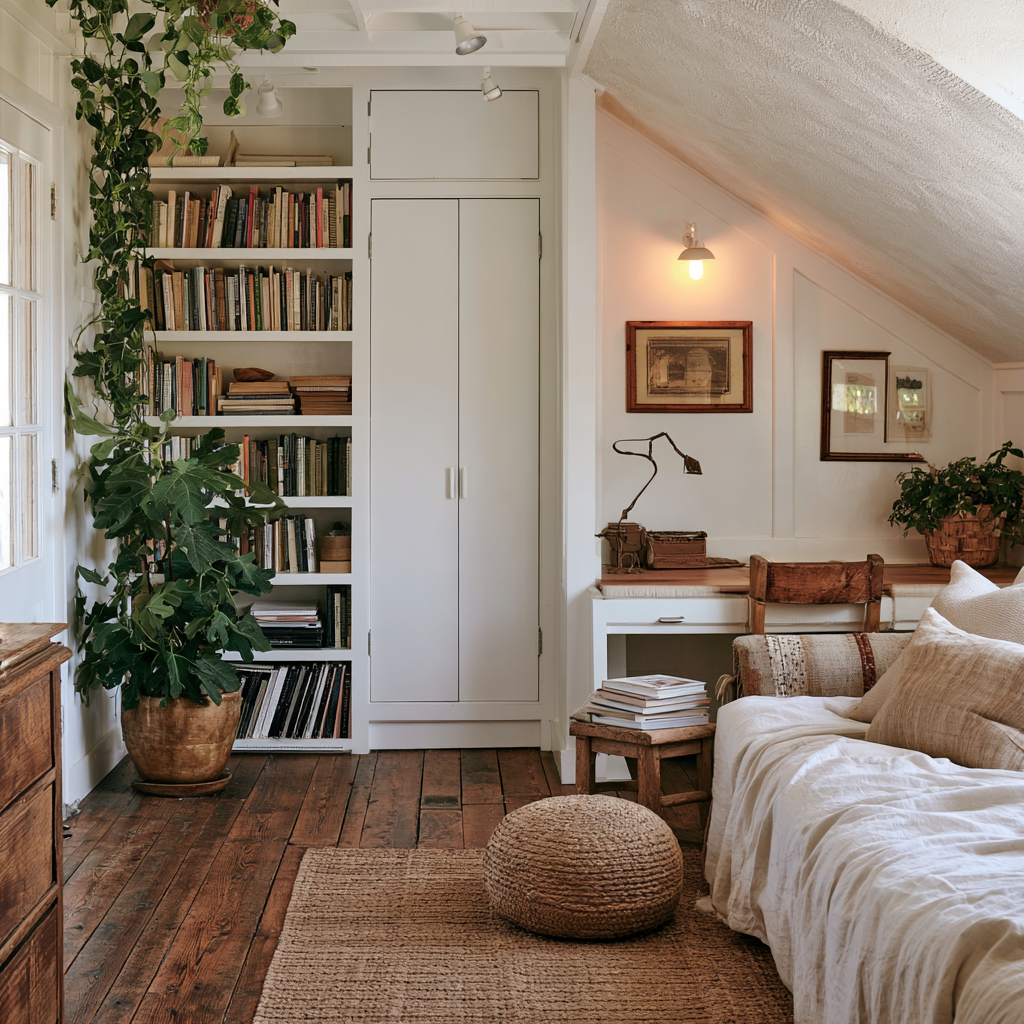
Awkward rooms often reveal the clearest value of custom built-ins: millwork made to exact measurements can follow odd wall lengths, sloped ceilings, chimney recesses, and asymmetrical corners without the gaps or filler strips common with stock furniture. You can transform an under-stairs void into deep drawers, conceal utility items in shallow cabinetry beside a chimney, or create pull-outs on a narrow landing without compromising circulation. Custom Built-Ins also let you reclaim vertical potential with ceiling-trimmed shelving that standard pieces can’t match. In a room with a strange corner or uneven footprint, a fitted bench or window seat follows the architecture precisely, rather than forcing a generic cabinet into place. Because every element is tailored to your needs, you add storage while creating a deliberate focal point that visually balances the entire layout with exceptional clarity.
Built-Ins vs. Furniture: What They Cost
You’ll typically pay more upfront for built-ins than for stock furniture: a basic six-foot installation starts around $1,000, while custom work often runs $175–$350 per linear foot. That premium buys exact dimensions, durable materials, and finish details tailored to your room rather than standard sizing and filler gaps. Over time, you’re investing in millwork that functions as part of the architecture and delivers lasting value through fit, utility, and craftsmanship.
Upfront Cost Comparison
At first glance, custom millwork costs more than off-the-shelf furniture: a tailored built-in typically costs about $175–$350 per linear foot, with a simple six-foot installation starting near $1,000, while modular pieces may look cheaper upfront. This upfront cost reflects more than materials: you’re paying for precision measurement, integrated hardware, finish work, and a design engineered around ceilings, corners, and workflow. Custom cabinetry eliminates the filler gaps and wasted volume that standard units often leave behind. Complexity also changes the quote; premium woods, concealed lighting, specialty drawers, and refined pulls add labor and cost. For perspective, a Custom solid white oak dining table can run $4,500–$7,000 versus $1,500–$3,500 retail. Your Investment Makes sense when exact fit, material control, and a cohesive architectural result matter.
Long-Term Value Considerations
Although custom millwork costs more initially, its long-term value often comes from decades of service rather than a short replacement cycle. You’re investing in precision-built elements that fit your architecture exactly, minimizing filler strips, wasted space, and premature wear. Solid wood can be repaired or refinished for 40 years or more; veneer and engineered furniture may require replacement within 15 to 30 years.
That durability changes the equation. A custom white-oak table’s premium buys exact proportions, finish continuity, and a piece that can evolve with your home. Likewise, built-ins at $175–$350 per linear foot deliver integrated storage and a polished first impression. They may not return every dollar at resale, but they add value through daily performance and can strengthen home value by helping your listing stand apart. It’s a smart investment in lasting utility.
Custom Built-Ins vs. Furniture: Durability
Durability is where custom built-ins clearly outperform most store-bought furniture. You invest in millwork built to last: precisely fitted, structurally supported, and engineered for daily use. Solid wood or quality plywood resists sagging and loose connections far better than flat-pack materials optimized for low-cost production. Because each unit is designed for your exact walls and floors, it maintains alignment without gaps, wobble, or unsupported spans.
With kiln-dried hardwood and resilient finishes, your built-ins handle impacts while preserving a refined appearance. When wear eventually appears, you can refinish solid wood and reglue joinery rather than discard it. Many store-bought pieces rely on thin veneers that limit repair options and often require replacement within 15 to 30 years. Custom millwork gives you a durable, repairable system that can serve your home for decades.
Flexibility: Built-Ins or Freestanding Furniture?
Flexibility favors freestanding furniture: you can move, replace, or repurpose it as your layout, lifestyle, or design preferences change. If you anticipate remodeling, start with modular pieces; they let you test a room without committing to a 3–12-week millwork process.
Yet Built-in shelving delivers a precision freestanding furniture can’t: it follows exact dimensions, eliminates awkward gaps, and gives older homes a composed, architected rhythm. You trade mobility for a system engineered around how you live.
- Feel settled: tailored drawers tame daily clutter.
- Feel inspired: seamless storage elevates your visual environment.
- Feel confident: invest where routines demand performance.
For entryways, mudrooms, bedrooms, and offices, custom millwork can be the smarter innovation. It adapts the room to you—not the reverse—while accepting that its strength is permanence, not flexibility.
Resale Value of Custom Built-Ins
That permanence can strengthen a home’s market appeal when the millwork feels native to its architecture. You won’t necessarily recoup every dollar of your Investment, but the resale value of custom built-ins often appears in stronger first impressions, greater buyer interest, and potentially faster offers. Thoughtful cabinetry can turn an awkward alcove, unused corner, or shallow wall into a polished, high-functioning asset that store-bought pieces can’t replicate.
To support a future buyer’s confidence, prioritize timeless proportions, durable hardwood construction, and finishes that complement existing trim. Integrated lighting, concealed storage, and tailored detailing can signal intelligent design without making the room feel overly personal. Still, avoid highly niche configurations: permanent features can limit perceived flexibility. The most persuasive millwork solves an evident problem elegantly, making the home feel more complete, intentional, and enduring.
When Custom Built-Ins Are Worth It
Custom built-ins are worth the investment when standard furniture can’t resolve the room’s dimensions, storage demands, or architectural constraints. You can turn sloped ceilings, awkward alcoves, and under-stair voids into seamless, high-performing storage instead of accepting gaps and clutter. Their built value becomes especially compelling in mudrooms, offices, bedrooms, and laundry rooms, where every inch supports your routine.
- Feel relief: tailored drawers and ceiling-height cabinets restore order to demanding spaces.
- Feel delight: lift-up window seats create an intimate perch while concealing everyday essentials.
- Feel confidence: solid hardwood millwork can be repaired, reglued, and refinished for heirloom longevity.
Choose this Design when permanence suits your home and lifestyle. At roughly $175–$350 per linear foot, custom cabinetry rewards intentional decisions with daily utility, enduring material quality, and a room that finally feels resolved.
Planning Custom Built-Ins: Timeline and Installation
You’ll begin with an in-person consultation and precise site measurements, then refine the design until every detail earns your approval. Once fabrication starts, expect roughly 3–8 weeks with a specialty provider, though some cabinetmakers require 8–12 weeks total. Because your built-ins are made for your exact space, finalize walls, layouts, and finishes before installation, which typically takes just one to two days.
Consultation and Site Measurements
Before fabrication can begin, a designer or cabinetmaker visits your home to measure the space precisely, assess wall conditions, and discuss how the built-ins should work. This consultation and detailed site measurements reveal what standard furniture can’t: every uneven corner, outlet, ceiling shift, and opportunity for seamless integration. You’ll gain confidence knowing the plan responds to your room, not an assumed template.
- Feel relief as storage finally fits your daily routines.
- Enjoy the satisfaction of a refined, architectural finish.
- Imagine the pride of spaces that feel intentionally yours.
Your professional coordinates measuring, feasibility, scheduling, and final-fit details; permits usually aren’t necessary. These early insights ensure your built-ins add lasting utility, visual calm, and innovative precision to the home you’ve carefully envisioned.
Design Approval and Fabrication
With measurements confirmed, the design approval stage turns your ideas into a precise, build-ready plan. You’ll review digital renderings or hand-drawn elevations, refine storage configurations, and select materials, hardware, and finishes before we cut any lumber. This collaborative checkpoint ensures every cabinet aligns with your walls, ceilings, and floors, reducing unsightly gaps and the need for filler panels.
Once you approve the final specification, fabrication begins in the shop. Skilled millworkers transform the approved design into components engineered for your room—not generic dimensions or compromises. Furniture makes a statement when it’s integrated with architectural intention, tailored to how you live and what you display. Because built-ins typically don’t require permits, your project can move directly from design approval to fabrication, keeping decisions focused, efficient, and exacting.
Installation Timeline Expectations
Plan your built-in installation around a finished, stable room: finalized walls, flooring, and layout prevent costly pauses or last-minute adjustments. Your installation timeline expectations should account for design approvals, fabrication, and coordination with your General Contractor and finishing trades. Most closet specialists complete the on-site installation in one to two days, though the full process often spans three to eight weeks. A cabinetmaker managing design through site installation may require eight to 12 weeks.
- Secure certainty: Confirm dimensions after walls and floors are complete.
- Protect momentum: Schedule installation after painting and before final styling.
- Enjoy precision: Let custom details work harder than freestanding furniture.
Permits usually aren’t required, but thoughtful sequencing is. Planning early helps you avoid disruption and create a tailored, high-performance room that feels effortless.
Frequently Asked Questions
Are Custom Built-Ins Worth It?
Yes, custom built-ins are worth it when you need precise space planning, durable storage, and a tailored architectural finish. You’ll eliminate awkward gaps, maximize underused corners, and gain millwork that can last decades. Factor in timeline planning, material quality, and how long you’ll remain in the home. While upfront costs exceed modular furniture, thoughtful designs can strengthen daily function and support resale value for future buyers.
Why Is Custom Millwork so Expensive?
Custom millwork costs more because you’re commissioning a tailored architectural signature, not buying a disposable placeholder. You pay for material quality, including properly dried hardwoods, precision joinery, and finishes that honor your home’s character. Installation complexity also increases costs: every measurement, revision, radius, drawer, and trim detail demands skilled labor. While fabrication takes time, you gain long-term value through seamless fit, durability, and a design engineered specifically for you.
What Are the Disadvantages of Built-Ins?
Built-ins can constrain your future choices through space rigidity, higher upfront costs, and limited mobility. You can’t reposition them when your layout, technology, or style evolves, and removal often requires additional renovation. Custom fabrication also extends your timeline, commonly taking weeks rather than days. While they create a polished, integrated look, you should weigh whether permanence supports your lifestyle and whether prospective buyers will share your design vision.
How Much Do Custom Built-Ins Cost?
Custom built-ins typically cost $175–$350 per linear foot, like a tailored suit that fits your room precisely. You can expect a basic six-foot installation to start near $1,000, while intricate designs cost more. Your budget factors include dimensions, labor, hardware, and finish complexity. Material upgrades, custom stains, drawers, and curved details increase the price. For timeline planning, allow three to eight weeks, with installation usually lasting one to two days.
Conclusion
Choosing between built-ins and store-bought furniture seems simple—until your “temporary” bookcase wobbles for the third time. You can move freestanding pieces easily, but custom millwork gives awkward corners, unused walls, and everyday clutter a purposeful home. It costs more upfront, yet it delivers tailored storage, lasting materials, and polish that generic furniture rarely matches. When you’re investing in a home you plan to enjoy, built-ins don’t just fill space—they make it work harder.