Ipe, Cedar, or Composite? Choosing the Best Decking Material for Freeze-Thaw Climates
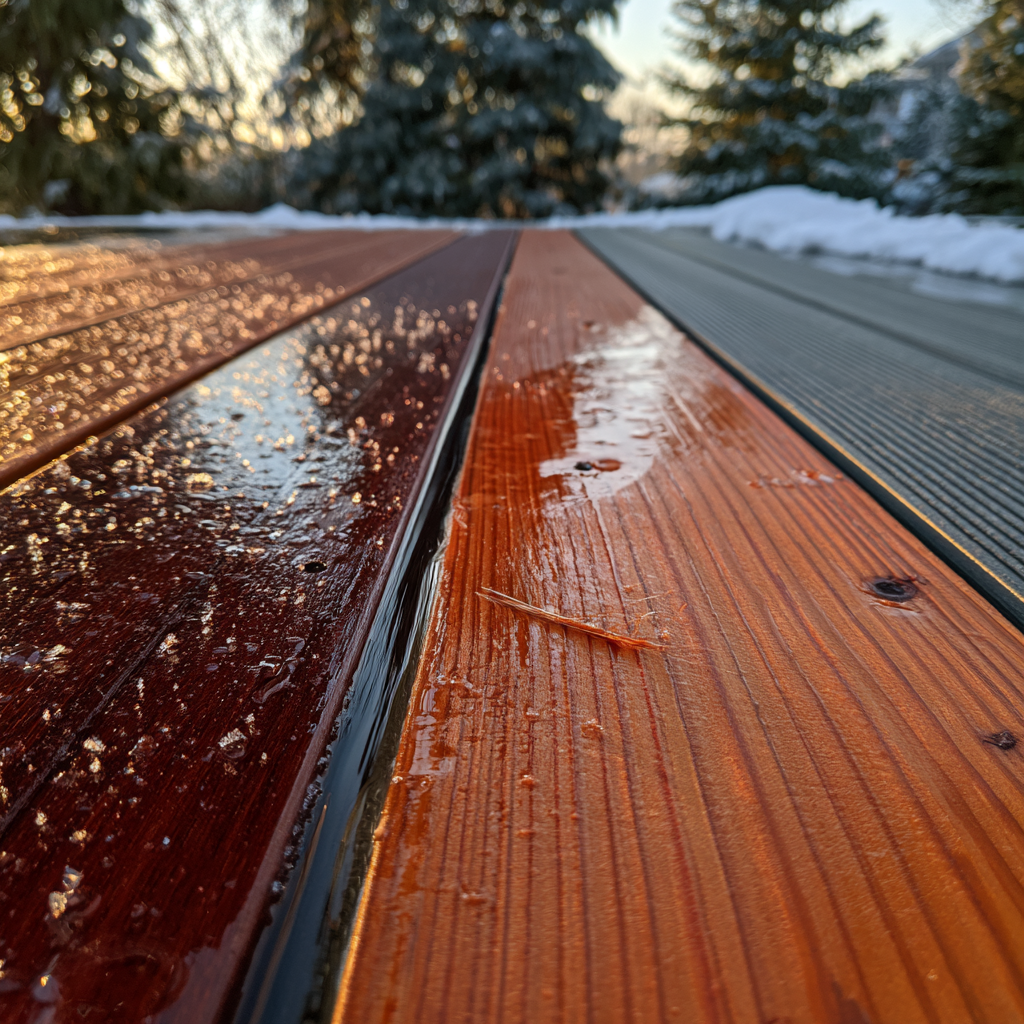
For freeze-thaw climates, choose ipe for maximum durability, low moisture absorption, and long service life, though it costs more and requires specialized installation. Choose cedar for a warmer, lower-cost option, but plan for sealing, checks, cupping, and closer winter inspections. Composite decking offers predictable dimensions and minimal maintenance, although extreme cold can increase impact brittleness. Whatever you choose, prioritize drainage, ventilation, correct gaps, compatible fasteners, and winter-safe cleaning. The following comparison will help you match material performance to your climate and budget.
How Freeze-Thaw Weather Damages Decking
Freeze-thaw cycles damage decking when moisture enters porous materials, freezes, expands, and creates internal stress. As temperatures rise, trapped ice melts, leaving pathways that invite further absorption. Repeated freeze thaw events can gradually widen checks, lift fibers, and weaken fastener connections. You may see cupping, splitting, surface erosion, or premature coating failure as the deck cycles through saturation and drying. Moisture damage also increases when snow remains against boards, drainage stays restricted, or shaded areas dry slowly. Thermal movement adds another strain: boards expand in warmer conditions and contract during cold snaps, stressing joints and attachment points. Climate-aware design reduces this pressure by controlling water flow, limiting exposed end grain, and allowing ventilation beneath the deck. Choosing materials engineered for dimensional stability helps your deck withstand increasingly variable winter conditions.
What to Look for in Cold-Climate Decking
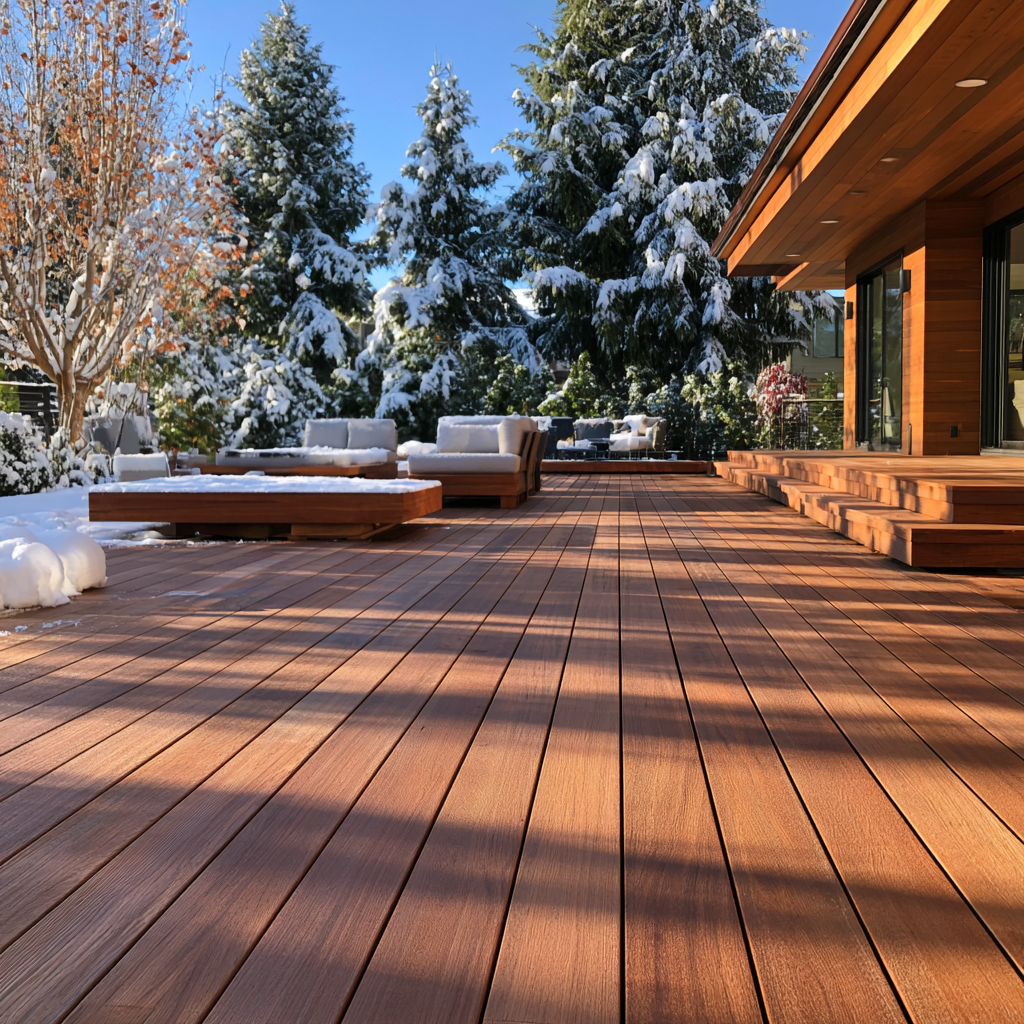
Look for decking that combines low water absorption, dimensional stability, and reliable traction in cold, wet conditions. Evaluate how each option handles repeated freezing, thawing, snowmelt, and deicing salts. Materials with minimal expansion and contraction help protect fasteners, joints, and surrounding framing, reducing durability concerns over time. Check the manufacturer’s data for water absorption, slip resistance, temperature performance, and recommended installation spacing. A textured surface can improve footing, but it shouldn’t trap moisture or ice. Prioritize weather resistance backed by documented testing rather than marketing claims. Also consider color retention, maintenance requirements, and repairability; harsh sunlight and winter abrasion can degrade finishes quickly. Choose profiles that shed water efficiently, support ventilation beneath boards, and accommodate appropriate drainage. These details help your deck perform predictably through changing seasons without unnecessary upkeep or premature replacement.
Ipe Decking: Maximum Durability in Winter
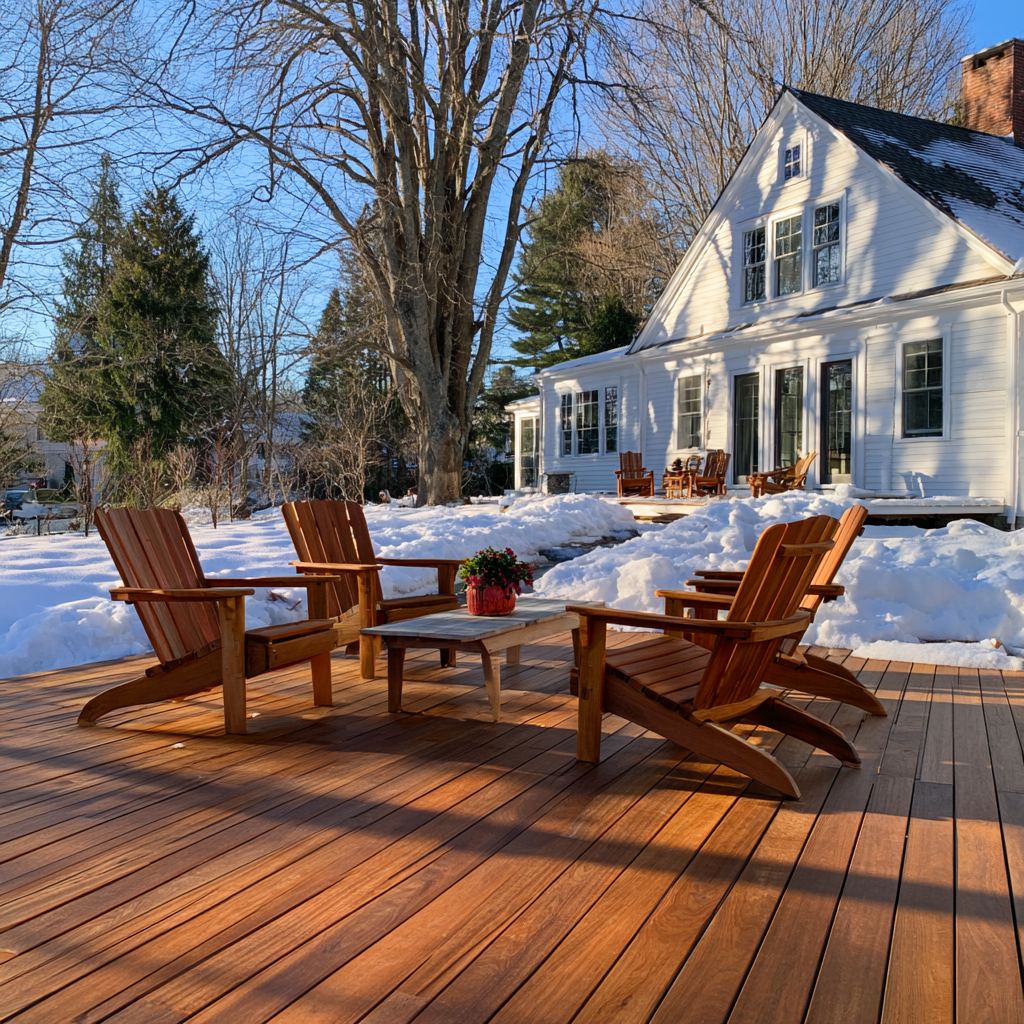
Ipe’s exceptional density and low moisture absorption make it one of the most durable decking choices for freeze-thaw climates. Its tight grain limits water penetration, reducing swelling, cracking, and freeze-related surface damage. You’ll get strong resistance to rot, insects, and abrasion, even when snow, ice, and tracked-in grit create demanding conditions. This ipe durability supports long service life with relatively little intervention. Install boards with manufacturer-specified spacing, stainless-steel fasteners, and adequate ventilation so seasonal movement doesn’t trap moisture. Apply a UV-resistant penetrating finish if you want to slow natural color change; otherwise, the wood will weather to silver-gray without losing structural performance. For winter aesthetics, you’ll appreciate ipe’s refined grain and substantial appearance, which remain distinctive beneath snow and pair well with modern outdoor lighting, metal railings, and heated-deck innovations.
Cedar Decking: Warm Looks at Lower Cost
Cedar offers a warmer appearance and lower upfront cost than IPE, but its softer, more moisture-responsive wood requires greater care in freeze-thaw climates. You’ll appreciate cedar warmth underfoot and a budget friendly path to a natural-looking deck. However, repeated wetting, freezing, and thawing can accelerate checking, cupping, and surface wear. Choose stable, clear-grade boards, provide generous joist spacing, and maintain ventilation beneath the deck so moisture can escape. Install boards with appropriate gaps, allowing seasonal movement without trapping debris or ice. Seal end grain during construction, then apply a penetrating, water-repellent finish on a climate-appropriate schedule. Inspect fasteners, joints, and shaded areas each spring; replace damaged boards before deterioration spreads. With disciplined detailing and maintenance, cedar can deliver attractive performance while reducing initial project costs.
Composite Decking: Low Maintenance Through Winter
Composite decking keeps winter upkeep minimal because you won’t need to seal, stain, or frequently refinish it. Its moisture-resistant construction tolerates repeated freezing and thawing, reducing risks of cracking and surface damage. You should still remove snow promptly with a plastic shovel and use manufacturer-approved deicers to maintain a safe, intact surface.
Minimal Winter Upkeep
Once temperatures drop, composite decking requires minimal winter upkeep because its moisture-resistant boards don’t need seasonal sealing or staining. You’ll still benefit from a practical inspection before snow arrives. Clear leaves and debris from the surface and gaps so meltwater can drain freely. Check fasteners, stair hardware, and flashing, then tighten or replace components your manufacturer approves. Confirm handrail height and footing stability, particularly where frost, saturated soil, or shifting supports could affect safe access. Use a plastic shovel or soft broom to remove snow; metal edges can scratch protective caps. For traction, choose a manufacturer-approved ice melt rather than rock salt, which may damage nearby plants or hardware. Rinse residue away during warmer weather, and avoid pressure washing in freezing conditions. These simple steps keep winter care efficient, predictable, and compatible with modern composite systems.
Freeze-Thaw Durability
How does composite decking handle repeated freezing and thawing? Its engineered polymer-and-fiber structure resists water absorption, so it’s less prone to cracking, splitting, or warping than many porous wood boards. That stability matters when temperatures cycle above and below 32°F, creating expansion and contraction stresses. You’ll still need correct spacing, fastening, and ventilation; installation considerations become critical because boards must accommodate seasonal movement without binding. Choose products tested for your region’s freeze-thaw exposure, and follow the manufacturer’s temperature-specific installation guidance. Quality composites may retain structural performance through repeated cycles, but extreme cold can temporarily increase brittleness, especially at impact points. Compare sustainability metrics, including recycled content, service life, and replacement frequency, rather than assuming every composite performs identically. A stable substructure and accurate joist spacing further reduce stress during winter transitions. The word to replace: transition
Safe Surface Maintenance
Winter maintenance is easier when you remove snow with a plastic shovel or soft-bristle broom and avoid metal blades, salt piles, and harsh chemical deicers that can scratch or stain composite decking. Sweep in the board direction, leaving a thin protective layer rather than scraping aggressively against frozen surfaces. For ice, choose a manufacturer-approved calcium-chloride product, apply it sparingly, and rinse residue away during a thaw. Keep drainage paths and gaps clear, so meltwater won’t refreeze beneath boards, where expansion can stress fasteners. Inspect railings, clips, and flashing after major freeze-thaw cycles, tightening or replacing damaged components promptly. During winter storage, elevate planters and furniture with protective pads, and don’t drag them across the surface. These habits preserve deck aesthetics, traction, and color while reducing repairs and extending composite decking’s service life.
Compare Decking on Cost, Care, and Lifespan
You’ll compare initial material costs, including how freeze-thaw exposure affects your budget. Next, assess each option’s maintenance needs, from seasonal cleaning to repairs. Finally, weigh its expected lifespan under repeated freezing and thawing.
Initial Material Costs
Initial material costs vary widely: pressure-treated wood typically offers the lowest upfront price, while composite, PVC, and hardwood decking require a larger investment. For your project, compare each board’s price with structural requirements, fasteners, delivery, and installation complexity. Cedar may cost more than treated lumber but less than premium ipe, whose density can increase cutting and fastening labor. Composite and PVC carry higher purchase prices, yet their engineered profiles and color options can streamline design decisions. In freeze-thaw regions, cold climate costs also include selecting products rated for repeated moisture and temperature swings; a cheaper board may not deliver comparable winter durability. Request regional quotes, verify manufacturer climate ratings, and calculate cost per usable square foot rather than per board. This approach helps you fund innovative materials without overlooking the project’s actual entry price.
Maintenance Needs Compared
How much maintenance a deck needs can outweigh its initial price, especially in a freeze-thaw climate. Ipe demands periodic cleaning and oiling to limit surface checking, while cedar typically needs staining or weatherproof coatings every few years. You’ll also need to inspect fasteners, boards, and drainage after winter.
Composite decking usually reduces routine care: wash away salt, grit, and organic debris, then address stains with manufacturer-approved cleaners. However, board replacement can be more specialized if damage occurs, so check warranty terms and repair procedures before buying.
Compare maintenance cost by estimating labor, product use, water access, and inspection time—not just material prices. Look for manufacturers that publish durability testing under moisture, temperature, and UV cycling. Digital care guides, color-matched repair systems, and recyclable boards can further simplify ownership while supporting a lower-impact maintenance plan.
Lifespan in Freeze-Thaw Conditions
Maintenance records help reveal how each decking material holds up over repeated freeze-thaw cycles. Ipe typically delivers the longest service life because its dense grain resists moisture uptake, cracking, and dimensional movement, though you’ll pay more upfront. Cedar costs less, but freeze-thaw exposure accelerates checking, splintering, and decay unless you reseal it consistently. Composite decking offers predictable performance: quality boards resist rot and require minimal care, yet trapped moisture, thermal expansion, or brittle formulations can cause edge damage. Compare manufacturer durability benchmarks, including impact, water absorption, and temperature-cycle testing, rather than relying on generic lifespan claims. You should also inspect fastening systems, joists, drainage, and ventilation, which often determine failure timing. Before purchasing, read the winter warranty carefully; coverage may exclude installation errors, substructure movement, fading, or extreme cold. Plan inspections after each winter.
Match Decking to Your Freeze-Thaw Priorities
Match your decking choice to the freeze-thaw risks that matter most for your site, whether that’s moisture absorption, surface traction, dimensional movement, or winter upkeep. Choose ipe when maximum hardness, low water uptake, and long-term wear resistance outweigh higher cost and more demanding installation. Select cedar for easy handling and repair, but plan for sealing, movement, and faster weathering. Composite decking offers consistent dimensions, traction-focused textures, and minimal staining, although some products can become brittle or slippery in severe cold. Don’t let durability misconceptions drive the decision: every material depends on correct drainage, airflow, fastening, and edge detailing. Avoid installation pitfalls such as tight board gaps, blocked joists, and incompatible screws. For snow-prone sites, prioritize replaceable boards, accessible inspections, and manufacturer-tested freeze-thaw performance over appearance alone.
Frequently Asked Questions
Can Decking Be Installed During Winter in a Freeze-Thaw Climate?
Yes, you can install decking during winter in a freeze-thaw climate, but winter installation requires careful scheduling and preparation. Choose a dry period when temperatures exceed the manufacturer’s minimum, and avoid frozen, saturated, or unstable ground. Account for frost considerations by checking footing depth, preventing heaving, and maintaining proper drainage. Let boards acclimate according to specifications, predrill where necessary, and leave expansion gaps. Delay work during active freezing, snow, or rapid temperature swings to protect structural performance.
How Does Snow Removal Equipment Affect Different Decking Materials?
Snow removal equipment can scratch, gouge, or crack decking, especially when blades catch raised fasteners or frozen debris. During winter maintenance, use plastic shovels with rounded edges and avoid metal blades, snow blowers, and plows unless manufacturers approve them. Push snow parallel to boards, not across joints. Account for material expansion: leave clearance around structures, and don’t pile heavy snow against railings. De-icers may stain surfaces or accelerate corrosion, so choose compatible products.
Are Specialized Fasteners Needed for Freeze-Thaw Decking Installation?
Like a seatbelt, specialized fasteners secure your deck through repeated freeze-thaw movement. Choose corrosion-resistant stainless-steel or coated screws, compatible with the decking and framing, and allow manufacturer-specified expansion gaps. Hidden clips can accommodate seasonal movement, while properly sized fasteners reduce splitting and uplift. For ice dam prevention, maintain drainage and avoid blocking gaps. Consider salt tolerance near treated walkways, and rinse residue promptly to limit corrosion and surface damage.
Can Damaged Winter Decking Boards Be Repaired Without Replacing the Entire Deck?
Yes, you can often repair damaged winter decking without replacing the entire deck. Start by identifying whether freeze-thaw movement caused surface cracking, splitting, fastener lift, or structural rot. Replace only severely compromised boards, matching material, grain, and moisture content. For minor damage, use compatible epoxy, plugs, or resurfacing products. Include repair options for damaged winter decking in your plan, and schedule maintenance for thaw-cycle decks, including inspections, drainage checks, and fastener retightening.
How Should Deck Furniture Be Stored During Freezing Weather?
How should you protect deck furniture before freezing weather arrives? Clean and dry every piece, then move lightweight items indoors. Use ventilated, waterproof covers for furniture that remains outside, elevating covers above snow and ice. Store cushions in sealed, climate-controlled containers to prevent mold and freeze damage. Keep metal frames off wet surfaces, and loosen drain plugs on trapped-water designs. These storage solutions simplify winter maintenance and extend service life.
Conclusion
In freeze-thaw climates, your decking has to withstand more than cold—it must survive repeated moisture expansion, contraction, and ice. Ipe offers exceptional durability, cedar delivers natural warmth at a lower upfront cost, and composite minimizes seasonal maintenance. Consider this: moisture-related damage accounts for a significant share of deck repairs in cold regions. Choose materials, fasteners, and drainage as a system, then match your budget and maintenance tolerance. A climate-ready deck protects both your investment and winter enjoyment.