Top Signs It’s Time to Finally Upgrade Your Outdated Bathroom Layout
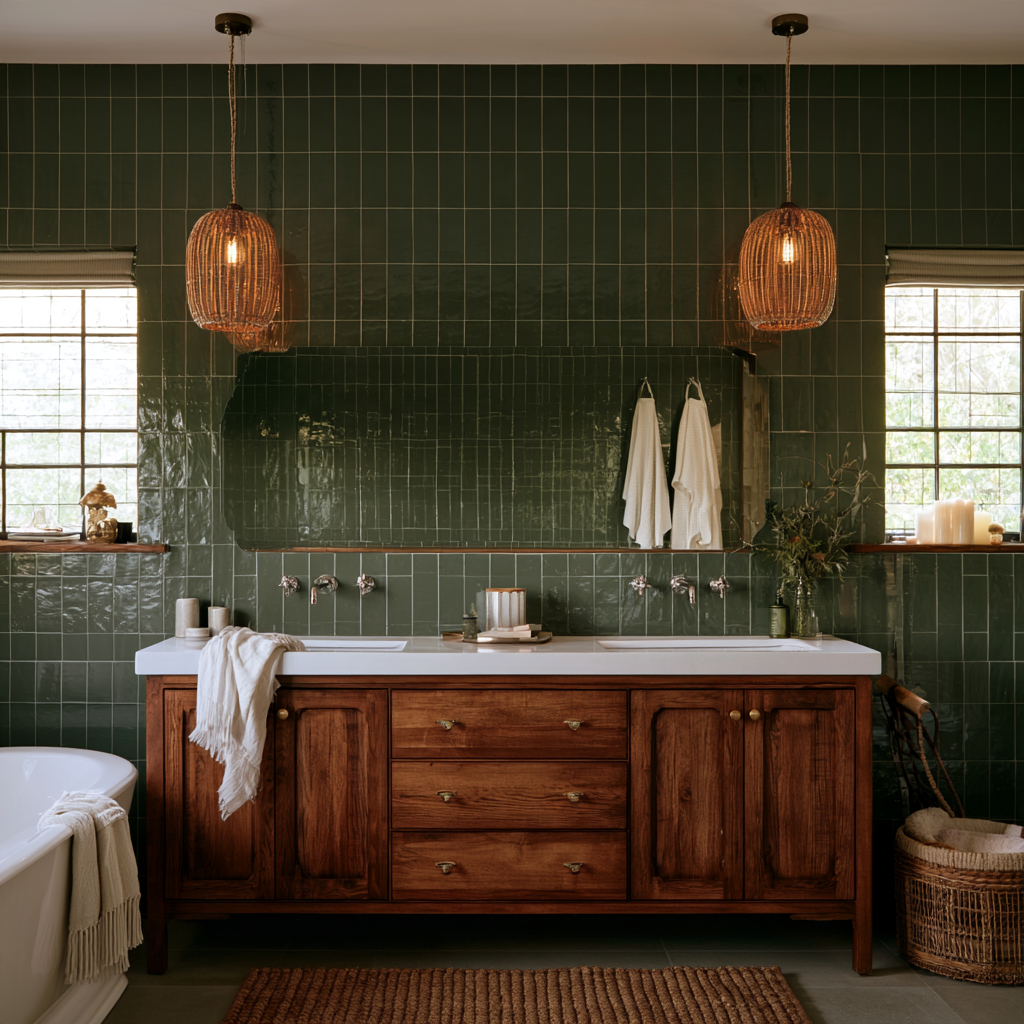
It’s time to upgrade your bathroom layout when you’re sidestepping others at the sink, fighting door swings, or running out of room for towels and daily essentials. Recurring mildew, musty odors, peeling paint, and lingering steam can signal leaks or poor ventilation. Running toilets, drips, dim lighting, and a hard-to-access tub also raise costs and safety concerns. A remodel can improve flow, storage, water efficiency, and accessibility—here’s what each warning sign may mean.
Signs You Need a Bathroom Remodel
A bathroom remodel may be necessary when your current layout makes everyday routines feel unnecessarily difficult. If brushing teeth requires sidestepping another person, or your shower, vanity, and toilet compete within a tight 8-by-5 footprint, the room no longer performs efficiently. These are clear Signs Your Bathroom Needs a strategic redesign, not another cosmetic refresh.
Your lifestyle also matters. You may need a low-threshold walk-in shower for safer access, a bathtub for young children, or a double vanity that streamlines shared mornings. Inadequate storage is another trigger: towels, toiletries, and styling tools shouldn’t migrate to nearby rooms or overwhelm the under-sink cabinet. Thoughtful bathroom remodeling can reconfigure fixtures, add vertical storage, and replace an oversized tub with a spacious shower. When recurring patches can’t support modern upgrades, redesign delivers durable daily function.
Leaks, Mold, and Hidden Water Damage
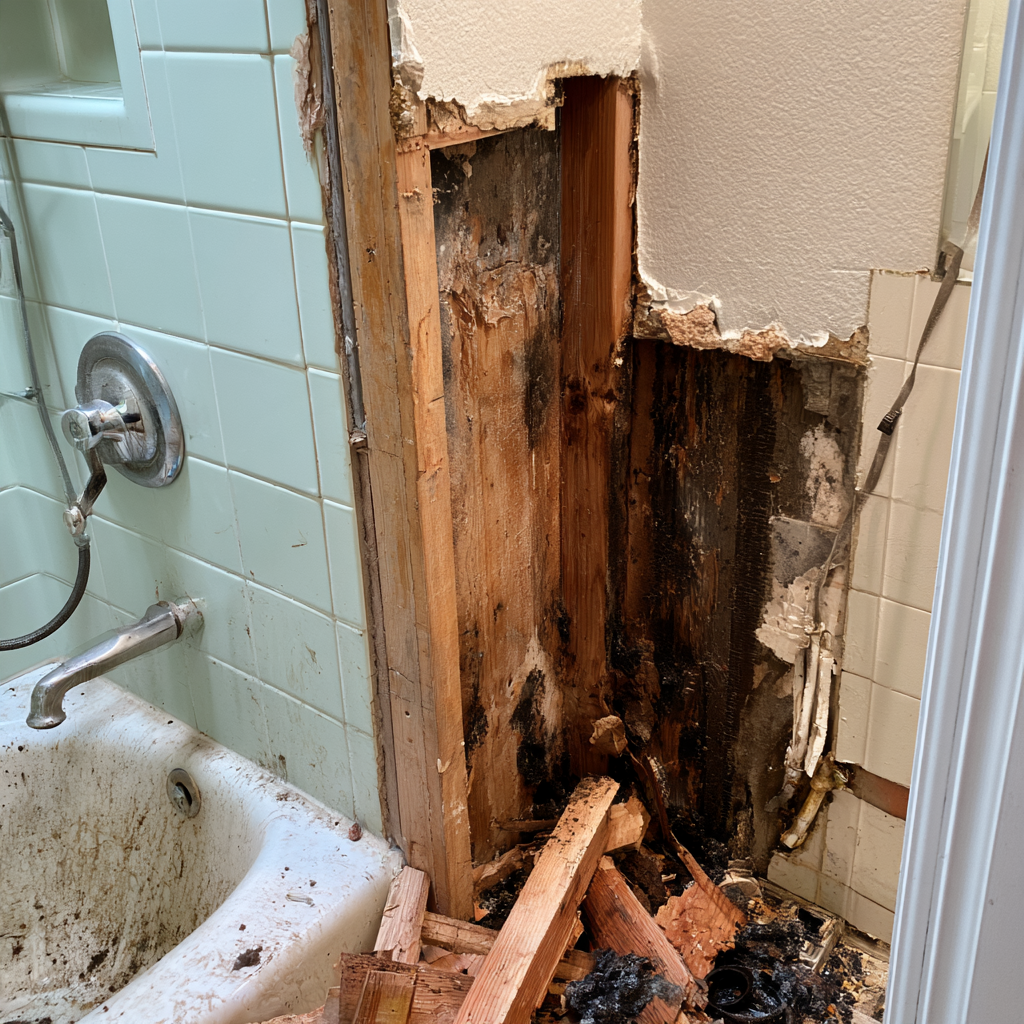
Persistent dark spots on grout, ceiling corners, or above the tub often signal more than surface grime—they can reveal mold fed by leaks or failed waterproofing behind the walls. If mildew returns along shower edges or caulk lines after cleaning, moisture is likely entering concealed cavities. Don’t treat recurring stains as cosmetic; investigate the source before it damages framing, cabinetry, or flooring.
A running toilet can waste up to 3,000 gallons daily, saturating subfloors without obvious puddles. Leaky faucets, cracked caulk, and rust-stained fixtures can also drive water behind finished surfaces, causing wood rot and swollen cabinets. A stubborn musty odor may confirm trapped moisture and elevate indoor mold exposure risks. Upgrade with leak-detection sensors, properly detailed waterproof membranes, accessible shutoff valves, and durable, moisture-resistant materials that protect your bathroom’s structure.
Poor Lighting and Ventilation Problems
When steam lingers on mirrors and walls long after a shower, your bathroom’s ventilation likely isn’t clearing moisture fast enough. That trapped humidity creates a rainforest-like environment where mold and mildew spread along grout, tub edges, and ceiling corners. Watch for dark ceiling spots, black or green growth, peeling paint, failing caulk, or a musty gym-bag odor that returns after cleaning. These issues can indicate weak exhaust performance or inefficient ducting.
Poor lighting compounds the problem by obscuring wet floors, steps, and fixture edges, increasing your risk of slips and falls. Upgrade your layout with layered, glare-controlled LED lighting around the vanity, shower, and pathways, paired with a properly sized, quiet ventilation system. Smart humidity-sensing controls can activate airflow automatically, helping your finishes stay dry, durable, and cleaner.
Fixtures That Waste Water and Energy
Constant drips, running toilets, and inefficient faucets can quietly raise your water bills, with a leaking toilet wasting thousands of gallons daily. You’ll also pay more when outdated showerheads and faucets use excess water, especially hot water. If your aging water heater or plumbing makes you wait for warm water, your bathroom layout may need an efficiency-focused upgrade.
Constant Drips and Running
A dripping faucet or a running toilet does more than create an irritating sound—it signals worn components that no longer seal properly. Your dripping faucet or running toilet can waste water continuously, strain cartridges, flappers, and valves, and raise utility costs. One faulty toilet may lose up to 3,000 gallons daily, while hidden leaks can trigger unnecessary hot-water demand.
- Listen for refilling tanks after every flush.
- Check cabinets for moisture beneath sink connections.
- Watch for tub valves that drip after you shut them off.
- Track unexplained increases in water or energy bills.
These issues often reflect aging fixture technology rather than isolated inconvenience. Replacing compromised internal components may help temporarily, but repeated failures indicate your layout needs modern, reliable plumbing solutions. An upgrade reduces waste, protects finishes, and gives you smarter control over daily water use.
Inefficient Toilets and Faucets
Beyond obvious leaks, inefficient toilets and faucets can quietly inflate water and energy use every day. If your toilet needs repeated flushes, its aging mechanism may consume far more water than a modern high-efficiency model while stressing valves and seals. A single hidden toilet leak can waste up to 3,000 gallons daily, so test tanks regularly and watch for unexplained bill increases. In an outdated bathroom, faucets with worn washers, failed seals, or cracked connections can drip continuously, raise humidity, and damage surrounding finishes. Older taps and showerheads also often lack precise flow controls, sending excess water down the drain during routine handwashing. Poor mixing controls can make you run water longer to reach a comfortable temperature. Upgrading inefficient toilets and faucets gives you smarter flow management, dependable performance, and measurable savings.
Aging Water Heating Systems
When your water heater takes too long to deliver hot water or struggles to hold a steady temperature, it may be wasting both water and energy before you even step into the shower. Aging water heating systems often pair poorly with outdated valves and fixtures, creating daily inefficiency and increasing leak risks.
- Long warm-up times send gallons down the drain while you wait.
- Fluctuating temperatures signal failing thermostats or thermostatic valves.
- Rust, corrosion, and mineral buildup around connections can precede water damage.
- Slow-recovery tank heaters consume more energy and limit comfort during busy mornings.
You can modernize performance with a high-efficiency heater, insulated hot-water lines, and smart temperature controls. Replace worn fittings promptly, since even a small leak can escalate behind walls. Upgraded components deliver steadier temperatures, reduce utility costs, and make your bathroom more resilient for the future.
A Cramped or Poorly Planned Layout
If you can’t move comfortably through your morning routine, your bathroom layout likely lacks the clearances needed for daily use. Limited storage, poorly placed fixtures, and doors that collide with vanities or shower entries can create constant bottlenecks. When the sink, toilet, and shower can’t function at the same time, you’ll benefit from a better-planned layout.
Limited Daily Functionality
A cramped or poorly planned bathroom can turn ordinary routines into daily friction. In an 8-by-5 footprint, you may struggle to brush your teeth, dress, or shower without interrupting someone else. These constraints signal limited daily functionality and justify a strategic bathroom upgrade.
- A single sink creates morning queues and rushed routines.
- Awkward door, vanity, and toilet clearances cause constant bumps.
- Countertops become catchalls when towels lack a practical landing zone.
- Your layout can’t accommodate a walk-in shower or dual-sink vanity.
You don’t have to accept inefficient circulation or outdated compromises. Reconfiguring fixture placement, widening pathways, and choosing compact, high-performance fittings can free up usable floor area. A design-led plan lets multiple people move through the room smoothly while supporting the features your household needs.
Insufficient Storage Space
Insufficient storage quickly exposes a cramped or poorly planned bathroom layout. When towels, toiletries, makeup, and styling tools lack dedicated homes, you’ll scatter them into nearby rooms, slowing routines and making the space feel perpetually unfinished. Cluttered counters and chaotic under-sink cabinets signal insufficient storage, not just poor organization. In a shared bathroom, limited access to essentials creates daily bottlenecks, especially during busy mornings. A layout upgrade can transform bathroom storage with deeper vanity drawers, organizers, vertical shelving, corner-nook cabinets, and a linen cabinet with pull-out laundry sorting. These targeted additions use overlooked width, depth, and wall area efficiently. You’ll spend less time searching, protect counter space, and create a streamlined environment that supports every household member without overwhelming the room.
Awkward Fixture Placement
Awkward fixture placement makes even a reasonably sized bathroom feel cramped when door swings, vanity cabinets, and shower access compete for the same limited clearance. If you constantly sidestep obstacles, your layout isn’t supporting real routines. It may be time to update your bathroom with a plan that improves circulation, storage, and future flexibility.
- You bump into the vanity, toilet, or shower curtain whenever someone opens the door.
- Two people can’t comfortably use the sink and shower area at the same time.
- Towels live in the hallway, while toiletries crowd the counter because cabinets and niches sit in impractical locations.
- A second sink, walk-in shower, or grab bars would require major reconfiguration.
Smart design resolves awkward fixture placement through optimized clearances, pocket doors, tailored vanities, and accessible zones that adapt as your household’s needs evolve.
Single-Sink Bottlenecks and Limited Space
When one sink has to serve multiple people, your bathroom’s morning routine can quickly turn into a traffic jam. Single-sink bottlenecks force you to wait while someone brushes, shaves, or applies skincare, leaving no practical space to stage towels or grooming tools. A narrow counter and one basin also push everyday items onto the floor or into other rooms, shrinking your usable workspace and adding visual clutter.
In a tight 8-by-5-foot layout, limited space can restrict door swing, toilet access, and shower or tub entry. Congested pathways around a single vanity can also create wet-floor trip hazards. Upgrading the layout can introduce better clearances, dedicated prep zones, and a more intuitive traffic flow, helping you move through busy mornings safely, efficiently, and with less household friction.
Not Enough Bathroom Storage
If your vanity counter stays cluttered and your cabinets are jammed, your bathroom likely lacks organized drawer space and vertical storage for daily essentials. When you store towels in a hall closet or another room, you’re losing convenience where you need it most. A revised layout can add accessible shelving, under-vanity organizers, or a compact linen cabinet without enlarging the footprint.
Cluttered Counters And Cabinets
A bathroom that leaves your vanity counter crowded and cabinets jammed isn’t giving daily essentials a functional home. Cluttered counters and cabinets often reveal inefficient access, especially beneath the sink, where tight clearances encourage everything-on-the-counter habits. If your bathroom might look organized only after a constant reset, its layout needs smarter storage.
- Drawer organizers separate makeup, skincare, and grooming tools.
- Pull-out under-sink trays make plumbing-adjacent space usable.
- Corner-nook shelving captures overlooked vertical storage.
- A linen cabinet with integrated laundry sorting assigns every category a place.
You shouldn’t spend your morning hunting for toothpaste, a hair tool, or backup toiletries. An upgraded layout can create intuitive zones, improve reach, and keep frequently used items visible without making the vanity feel overloaded.
Towels Stored Elsewhere
Towels kept in a hallway closet or another room signal that your bathroom lacks storage where you need it most. When you store towels elsewhere, each shower adds an unnecessary trip to your routine, and returning clean linens creates more daily friction. Packed vanity cabinets, jamming drawers, and a cramped under-sink zone also push shampoos, makeup, and grooming tools onto the counter. You end up searching for essentials instead of enjoying an organized, restorative space.
Even a standard 8-by-5 bathroom can work smarter with targeted storage innovations. Add linen pullouts beside the vanity, vertical corner cabinets, drawer dividers, and integrated organizers that keep toiletries accessible without crowding surfaces. If your layout can’t support these practical upgrades, your bathroom is outdated and no longer designed around how you actually use it.
A Tub That No Longer Fits Your Needs
Over time, a tub can stop supporting the way you use your bathroom. In an outdated bathroom, a rarely used whirlpool may consume valuable floor space while your daily routine calls for a streamlined walk-in shower. Reassess whether the fixture delivers convenience, efficient circulation, and easy maintenance.
- You’d rather take quick showers than fill a deep soaking tub.
- Your 8-by-5 layout feels cramped when doors, vanities, and the tub compete.
- Kids’ bath routines require more accessible space and simpler organization.
- Cracked caulk, failing tile, or persistent dampness signal a worn surround.
A tub-to-shower conversion can reclaim room, modernize finishes, and create a more responsive layout. Select durable wall panels, integrated shelving, and a high-efficiency shower system to make the space work harder for you.
Bathroom Safety Risks for Your Family
Protecting your family starts with identifying hazards built into the bathroom’s layout. Wet tile, soap residue, and loose throw rugs create bathroom safety risks, especially for children, older adults, and anyone rushing through a morning routine. Upgrade slippery surfaces with textured flooring, curbless shower entries, and securely anchored mats that won’t shift underfoot.
Also assess visibility and support. Add layered LED lighting, illuminated switches, and motion sensors to reduce nighttime trips. Install properly positioned grab bars, a handheld adjustable showerhead, and a fold-down shower bench to make bathing safer and more adaptable. Finally, improve exhaust performance and airflow around the shower. Persistent humidity in grout, corners, and tub surrounds can lead to mold, mildew, allergy flare-ups, and asthma symptoms. A smarter layout proactively reduces preventable accidents.
Outdated Style and Low Resale Appeal
An outdated bathroom can undermine your home’s appeal, even when other rooms have been renovated. In real estate, buyers notice inconsistencies quickly, especially when a refreshed primary bedroom opens into an en suite frozen in another decade. An Outdated bathroom can suggest hidden costs, deferred maintenance, and a project they’ll need to tackle immediately.
Watch for resale-draining details such as:
- Pink tubs, avocado flooring, or tarnished gold fixtures
- Harsh lighting that makes the room feel cold and uninviting
- Old technology, worn finishes, and mismatched hardware
- A cramped tub layout instead of a streamlined walk-in shower
You can improve buyer confidence with warmer layered lighting, efficient fixtures, cohesive finishes, and a layout built around daily usability. Since bathrooms strongly influence decisions, a strategic upgrade helps your home feel current, intentional, and move-in ready.
Frequently Asked Questions
What Does a 2026 Bathroom Look Like?
A 2026 bathroom gives you a spacious, accessible, spa-like retreat with a low-threshold walk-in shower, built-in bench, and non-slip flooring. You’ll likely add dual sinks when routines demand them, plus Smart storage through organized vanities and linen pullouts. Smart lighting uses warm, dimmable layers, while humidity-aware ventilation protects finishes. Water-saving fixtures, grab-bar-ready walls, and efficient mechanicals help reduce maintenance, prevent moisture issues, and support long-term comfort.
How to Modernize an Outdated Bathroom?
Modernizing an outdated bathroom starts with testing what truly limits it: moisture, poor circulation, dim lighting, or clutter. Fix leaks and upgrade ventilation first to prevent mold. Convert an unused tub to a walk-in shower, install non-slip flooring, and add grab bars if needed. Choose coordinated tile, faucets, and vanity finishes. Maximize storage with niches and organizers, improve lighting with layered LEDs, and consider heated floors or dimmers for comfort.
What Bathroom Upgrade Adds the Most Home Value?
A double vanity typically adds the most home value because you’ll improve daily functionality for couples and families. Pair it with smart storage solutions, such as drawer organizers and pullout cabinets, to create a polished, efficient layout. You can further strengthen buyer appeal with energy-efficient lighting, a walk-in shower, and upgraded ventilation. These improvements make your bathroom feel modern, low-maintenance, accessible, and move-in ready.
What Does a $10,000 Bathroom Remodel Look Like?
A $10,000 bathroom remodel gives you a high-impact refresh, not a full reconfiguration. You can replace fixtures, update vanity lighting, repair tile, repaint, improve ventilation, and install safer non-slip flooring. Your budget range may also support a basic tub-to-shower conversion if plumbing stays put. Expect materials and fixtures to consume $2,000–$5,000, with labor taking the rest. Check your local permit timeline before scheduling demolition.
Conclusion
Your bathroom should work like a well-organized toolbox, not a daily obstacle course. If leaks, dim lighting, poor ventilation, wasteful fixtures, cramped pathways, or limited storage keep creating frustration, it’s time to act. Updating the layout can seal hidden damage, improve safety, cut utility costs, and make every routine smoother. Don’t let an outdated room drain your comfort or home value. A thoughtful remodel can turn it into a bright, efficient retreat.