How Decorative Ceiling Beams Can Add Historic Warmth to New Construction
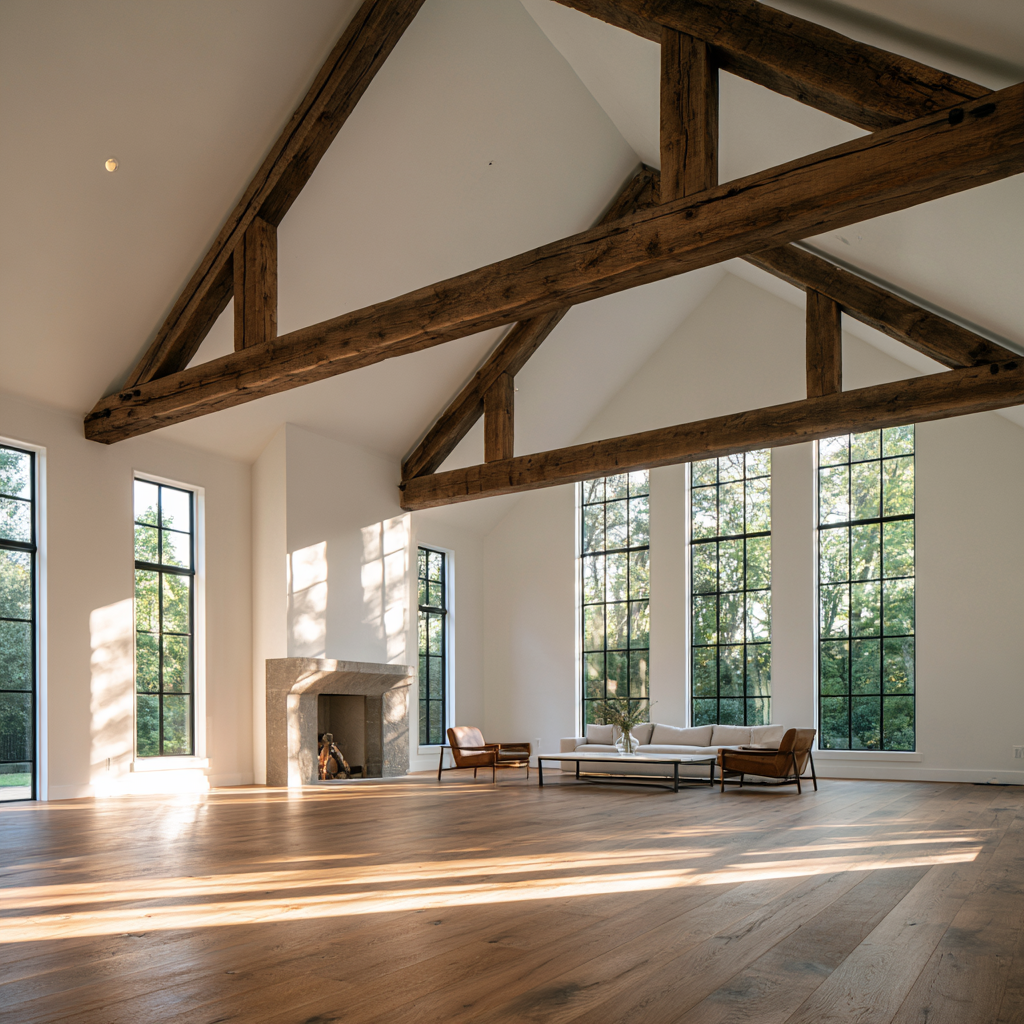
Decorative ceiling beams let you bring the warmth of historic timber framing into new construction without implying structural work. Choose reclaimed wood for authentic patina, documented age, and visible tool marks, but inspect it for pests, moisture damage, and unsafe treatments. Responsibly sourced new timber or lightweight faux wood can offer cleaner, safer alternatives. Match profiles to local precedents, then use thoughtful spacing to define rooms and align with sightlines. You’ll find practical guidance for sizing, placement, materials, and installation ahead.
What Are Decorative Ceiling Beams?
Decorative ceiling beams are nonstructural architectural elements designed to mimic the appearance of traditional structural timbers. When you add them to new construction, you create visual rhythm overhead without asking the ceiling to carry a building’s load. Their profiles can echo the hand-hewn members found in historic farmhouses, workshops, and civic interiors, helping you introduce historical warmth while maintaining a contemporary plan.
Unlike exposed structural framing, these beams function as architectural interpretation. You can align them with rooms, circulation paths, or lighting to make open spaces feel more grounded and intentional. Thoughtful detailing matters: convincing joinery, restrained proportions, and believable surface variation help the installation respect regional building traditions. By treating decorative ceiling beams as evidence of craftsmanship—not mere ornament—you can connect innovative design with preservation-minded storytelling and give modern interiors a stronger sense of place.
Choose a Decorative Ceiling Beam Material
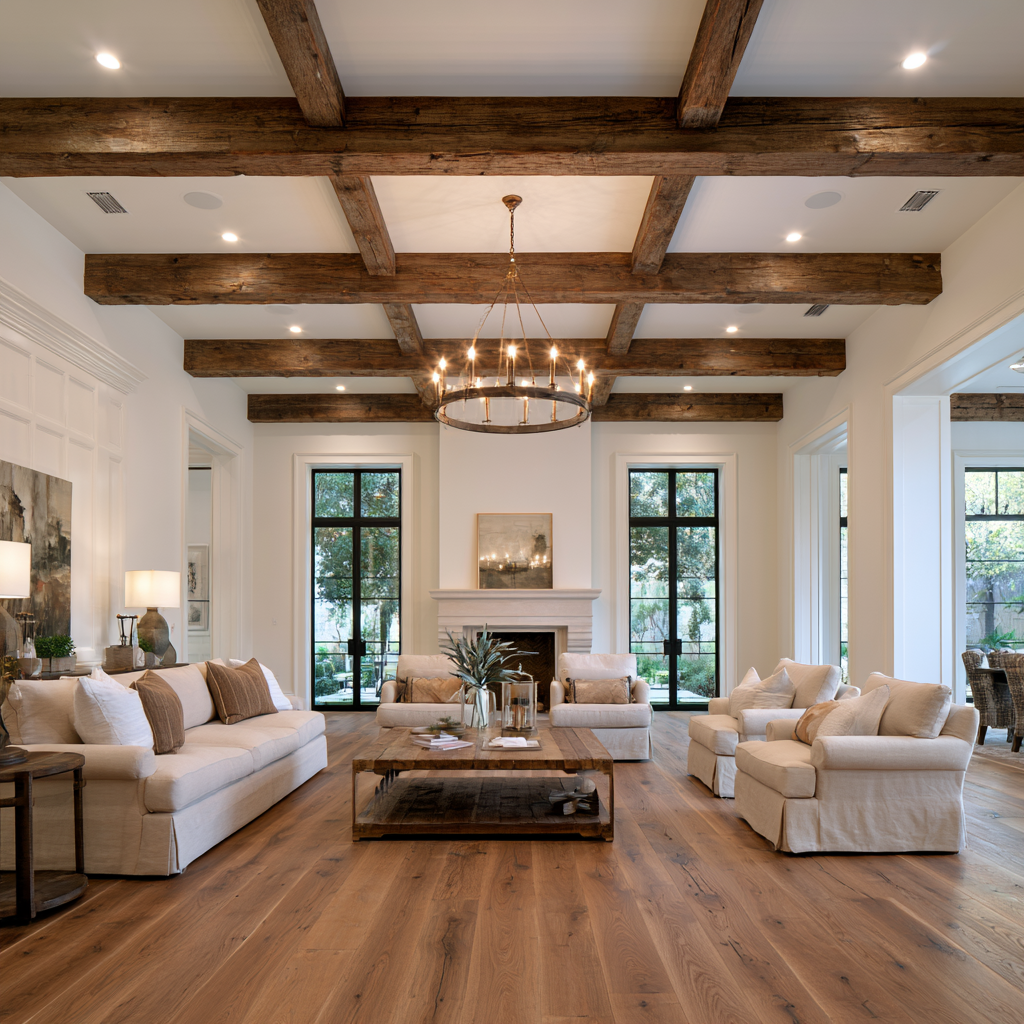
Choose a beam material that reflects both the building’s period and the traditions of its region. Reclaimed timber brings authentic historic warmth, especially when you can document its original source, species, and age. Inspect it for pests, moisture damage, and unsafe treatments before installation, and preserve saw marks, tool traces, and a naturally developed patina whenever possible. New solid wood offers a cleaner, responsibly sourced alternative; choose a species and finish that honor established local practices without pretending to be centuries old. For innovative new construction, lightweight faux-wood beams made from polyurethane or fiberglass can reduce structural demands while reproducing convincing grain and joinery. However, don’t mistake appearance for authenticity: label modern materials honestly, specify low-emission products, and select reversible attachment methods that support future maintenance and preservation.
Match Decorative Beams to Your Home
How should the beams relate to your home’s architectural character? Let historic precedents guide your choices without turning a new interior into a period replica. In a Craftsman-inspired house, you might select square, hand-hewn-looking beams that echo honest joinery. For a Colonial influence, restrained profiles and carefully proportioned spacing can suggest traditional timber framing. Contemporary architecture welcomes simplified beams, subtle grain, and crisp edges, especially when you balance warmth with clean lines.
Study local buildings and original regional materials before choosing finishes. Reclaimed wood offers authentic marks, while responsibly sourced new timber can reproduce historic dimensions without removing material from older structures. Test decorative beam patterns against your ceiling’s scale, and use color pairing to connect beams with flooring, trim, or cabinetry. A lightly contrasting stain preserves visual texture; a painted finish can reinterpret tradition with confidence. Let craftsmanship, not imitation, shape the result.
Place Beams for Better Room Definition
Thoughtful beam placement can define rooms in a new house while recalling the structural logic of historic timber framing. Use beams to mark transitions between a kitchen, dining area, and sitting room without building full partitions. A crossing at a major threshold can signal movement, while a simple perimeter arrangement can give an open plan a convincing sense of enclosure. Let the beams layout respond to the architecture’s sightlines, aligning with doorways, cabinetry, or a central hearth. This approach creates ceiling rhythm and helps each zone feel intentional rather than artificially divided. For historical credibility, study how regional barns and early houses used framing to organize daily life, then reinterpret that logic with responsibly sourced timber or carefully crafted reclaimed material. You’ll gain definition without sacrificing light, flexibility, or contemporary flow.
Plan Beam Size, Spacing, and Installation
Scale, spacing, and installation should follow the proportions of the house rather than imitate an old beam system literally. Begin with beam sizing: substantial profiles suit tall ceilings, while slimmer members preserve comfort in compact rooms. Study regional precedents, where exposed framing reflected available timber, structural demands, and craft traditions. You can borrow those principles without copying historic dimensions.
Choose reclaimed wood when its provenance and stability are documented; otherwise, specify new timber with authentic grain, hand-planed surfaces, or restrained tool marks. Match species and finish to the surrounding millwork, but don’t disguise engineered supports as antiques.
For installation tips, map joists, ducts, sprinklers, and lighting before ordering. Use concealed blocking or a lightweight box beam where structure isn’t required. Let joints align with the room’s rhythm, and provide removable sections for future maintenance.
Frequently Asked Questions
Can Decorative Ceiling Beams Improve a Room’s Acoustics?
Yes, decorative ceiling beams can improve a room’s acoustics when you design them strategically. Their surfaces interrupt sound waves, reducing flutter echo and creating more balanced reverberation. Your acoustic aesthetics depend on spacing, depth, placement, and beam material choices; reclaimed timber, for example, adds authentic texture while diffusing sound differently than smooth steel or plaster. You should combine historically informed detailing with discreet acoustic panels, preserving visual character while meeting modern comfort and performance goals.
Are Decorative Ceiling Beams Suitable for Homes With Low Ceilings?
Yes, decorative ceiling beams can suit low-ceiling homes when you choose shallow profiles, narrow dimensions, and light finishes. You’ll preserve headroom while gaining Decorative beam aesthetics and subtle Historical warmth integration. Consider reclaimed timber veneers or authentic-looking boxed beams rather than heavy structural members. Mount them sparingly, following historic proportions without inaccurately imitating old construction. You can also paint beams near the ceiling color, creating texture while maintaining an open, contemporary feeling.
How Should Decorative Ceiling Beams Be Cleaned and Maintained?
Clean decorative ceiling beams gently; don’t treat them like dusty museum relics awaiting an archaeological dig. Start with a soft, dry microfiber cloth or vacuum brush, moving along the grain. For authentic wood, avoid soaking, harsh chemicals, and abrasive tools that can strip away age and character. Your Cleaning routines should include seasonal dusting and prompt spill removal. For Maintenance tips, inspect joints, finish, and pests annually, then consult a preservation specialist before repairs or refinishing.
Do Ceiling Beams Affect Home Resale Value?
Yes, ceiling beams can affect your home’s resale value, especially when craftsmanship supports period character and modern performance. You’ll improve resale value potential by choosing authentic-looking beam material options, documenting ceiling beams durability, and matching the home’s architectural history. Consider beam installation weight, structural requirements, and future maintenance before adding them. Thoughtful preservation, reversible methods, and innovative finishes help buyers appreciate historic warmth without inheriting unnecessary repair costs or compromises.
Can Lighting Fixtures Be Safely Attached to Decorative Ceiling Beams?
Can you safely attach lighting fixtures to decorative beams? Yes, but you must verify whether the beam is structural or purely ornamental before drilling. For lighting integration, anchor fixtures to approved blocking or framing, never rely on thin veneer, and follow electrical codes. You’ll preserve material authenticity by choosing concealed wiring and historically compatible hardware. Consult an electrician for heavier fixtures; careful installation protects your home’s safety, character, and future preservation.
Conclusion
Decorative ceiling beams let you pair new construction’s efficiency with the visual memory of older craftsmanship. Choose authentic-looking wood, thoughtful proportions, and placement that defines rooms without pretending your home is centuries old. Whether you use reclaimed timbers or carefully finished alternatives, you’ll create historic warmth while respecting preservation principles: celebrate the past, but build responsibly for the future. With deliberate planning, your ceiling can feel both timeworn and distinctly yours—modern in structure, traditional in spirit.