Beyond White Shiplap: 5 Architectural Millwork Trends Dominating New England Homes
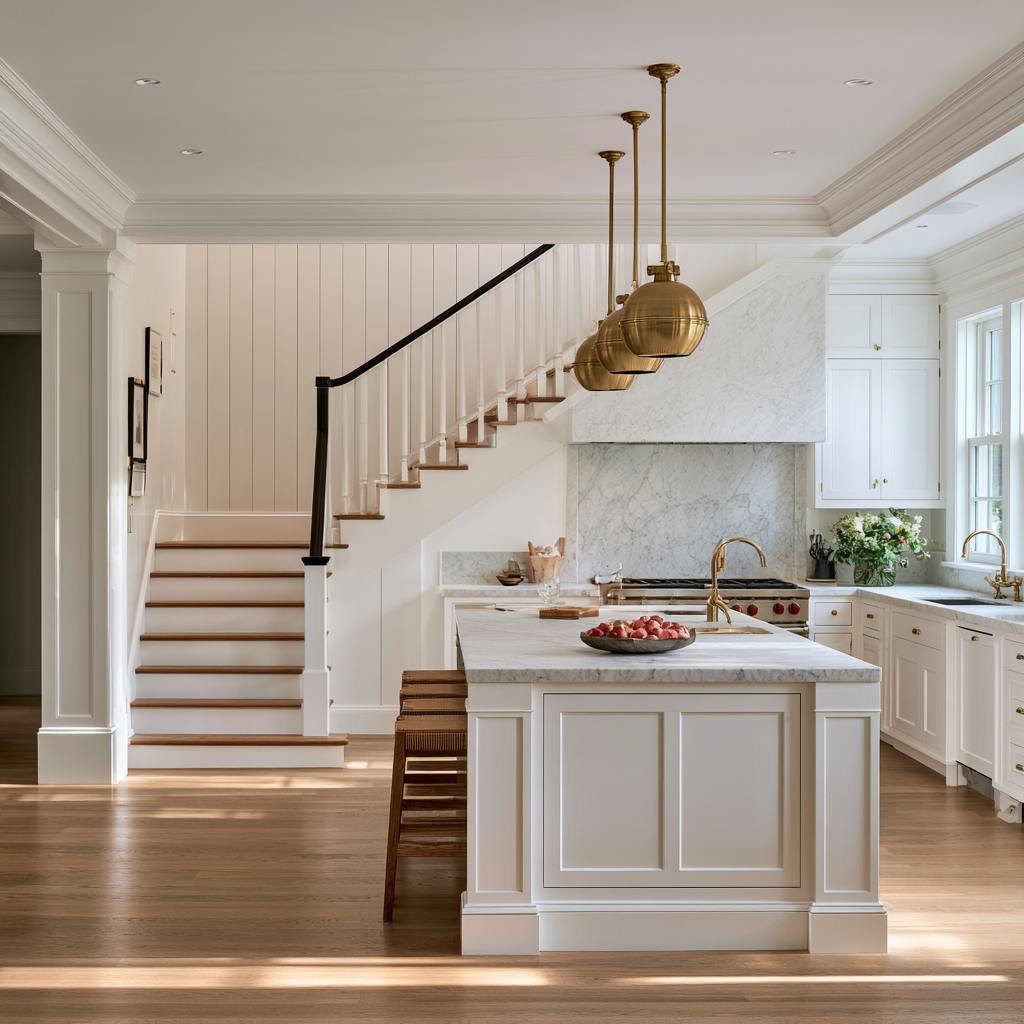
New England homes are moving beyond white shiplap with five refined millwork trends. You can add warmth through oak, walnut, or ash on stairs, ceilings, and built-ins. Modern wainscoting uses slim battens, recessed panels, and crisp reveals. Custom window seats, library walls, and mudroom lockers increase storage without crowding rooms. Sculptural trim frames transitions and adds controlled shadow. Finally, try traditional molding in olive, ink blue, or warm clay. The following ideas show how to apply each approach thoughtfully.
Warm Wood Architectural Millwork Beyond Accent Walls
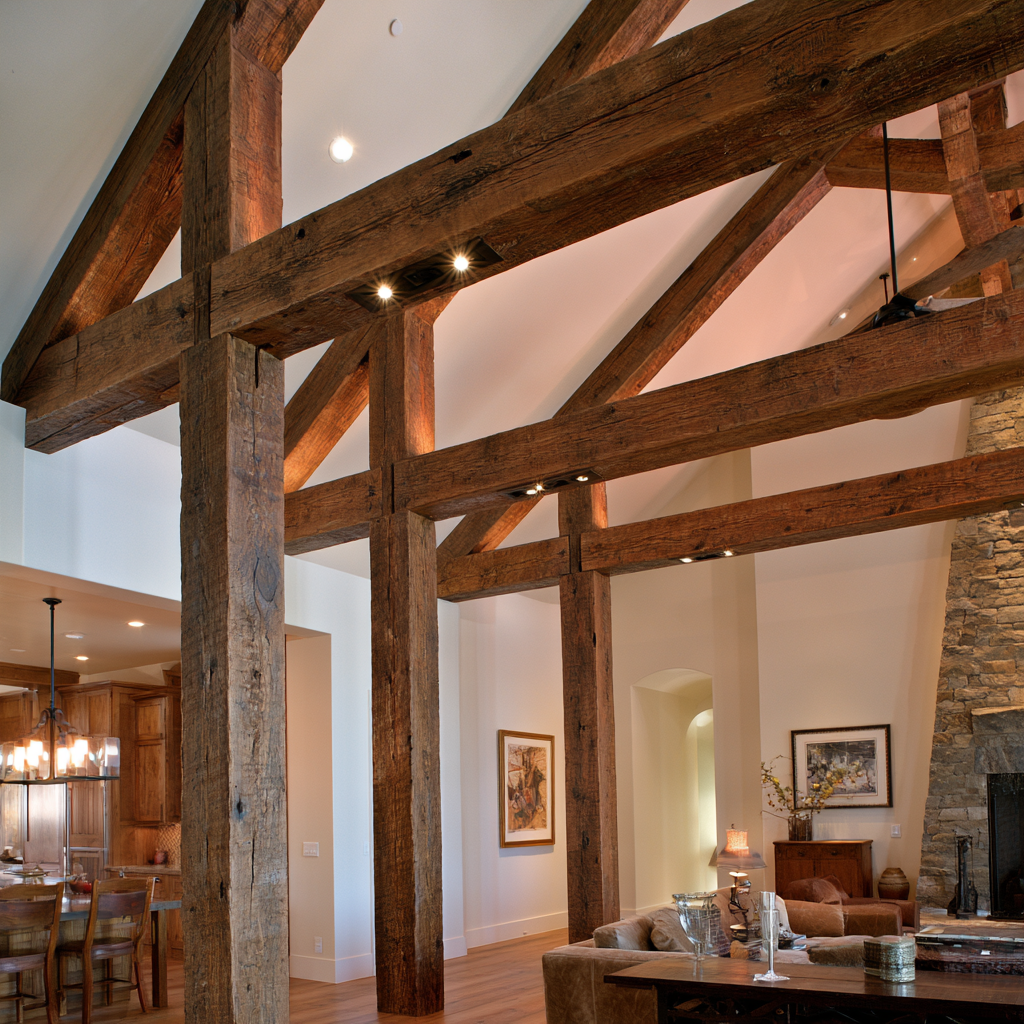
Warm wood architectural millwork is moving beyond accent walls into the elements that shape how a New England home feels and functions. You can specify oak, walnut, or rift-cut ash for stair components, ceiling beams, built-in seating, and door surrounds, creating continuity without visual excess. Thoughtful grain orientation adds movement, while matte finishes preserve tactile depth and minimize glare. Beyond walls, millwork can define circulation, frame transitions, and integrate discreet storage into historically sensitive interiors. You’ll achieve a more cohesive result by matching species, sheen, and joinery across connected spaces rather than repeating identical profiles. Consider concealed hardware, shadow gaps, and precision reveals to give traditional materials a contemporary edge. This approach lets you honor regional craftsmanship while introducing innovation through proportion, performance, and purposeful detailing.
Modern Wainscoting for New England Homes
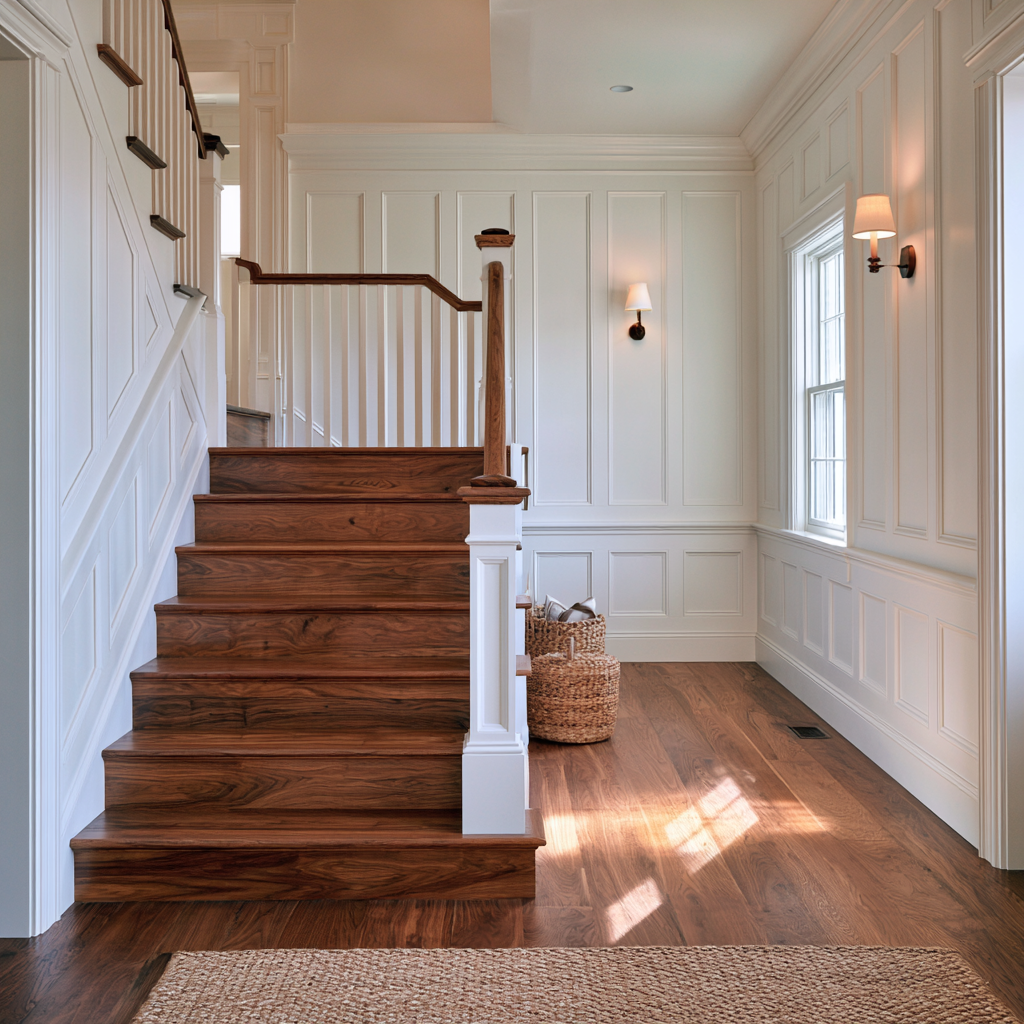
Modern wainscoting gives New England interiors architectural structure without relying on ornate detailing. You can use slim, evenly spaced battens, recessed panels, or flush sheets to create a tailored wall treatment that complements contemporary furnishings. Choose moisture-resistant MDF or durable hardwood, depending on the room’s demands, and specify a consistent reveal for crisp shadow lines. In New England homes, wainscoting works especially well in entryways, dining rooms, stair halls, and bedrooms, where it protects walls while establishing visual rhythm. Extend the treatment one-third up the wall for a classic proportion, or raise it nearly to ceiling height for a more dramatic, gallery-like effect. You’ll get a forward-looking result by pairing muted paint, natural stains, or two-tone finishes with clean, linear profiles.
Built-In Millwork for Character and Storage
Built-in millwork can give New England homes both practical storage and a stronger sense of architectural character. You can tailor a built-in system to your room’s proportions, preserving circulation while creating purposeful character storage. Consider these high-performing applications:
- Window seats conceal seasonal linens, toys, or heating controls beneath durable hinged lids.
- Library walls combine adjustable shelving with closed cabinets for a cleaner visual rhythm.
- Mudroom lockers organize coats, footwear, and equipment without sacrificing refined detailing.
- Kitchen banquettes add seating and discreet drawers while maximizing compact footprints.
Choose painted maple, rift-sawn oak, or locally sourced walnut to complement your home’s age and daylight. Integrate outlets, lighting, and ventilation during design, not afterward. Precise reveals, durable hardware, and removable access panels ensure the installation performs beautifully. You’ll gain storage that feels intentional, highly resolved, and distinctly connected to your architecture.
Sculptural Trim for Walls, Ceilings, and Doorways
Sculptural trim can turn walls, ceilings, and doorways into architectural focal points without overwhelming a New England interior. You can use sculptural trim to create controlled shadows, frame sightlines, and introduce depth where flat surfaces feel predictable. Consider fluted panels, carved reliefs, or continuous curves that transition from a wall into a ceiling plane. Carefully scaled wall ceilings doorway accents should respond to room height, natural light, and circulation rather than compete with them. At an entry, a tapered surround can emphasize arrival; in a dining room, a geometric ceiling treatment can define the table below. Choose durable materials suited to coastal humidity, and coordinate joints with exceptional precision. You’ll achieve a contemporary expression that feels integrated, not ornamental, while preserving the quiet proportions New England architecture demands.
Traditional Molding in Modern Colors and Profiles
Traditional molding gains a fresh character when you update its color, scale, or profile without abandoning its architectural roots. You can preserve classic detailing while introducing sharper proportions and unexpected finishes that suit contemporary New England interiors. Consider these strategic moves:
- Paint crown molding deep olive, ink blue, or warm clay to frame pale walls.
- Select oversized casing around doors for a confident, gallery-like presence.
- Pair slender baseboards with broad, flat-panel wainscoting for controlled contrast.
- Specify stepped or chamfered profiles to sharpen historic rooms.
Color experimentation works best when you coordinate trim with flooring, hardware, and natural light. Use a satin sheen to clarify edges without creating glare. If you’re updating a period home, match the original joinery’s rhythm, then refine its geometry. The result feels intentional: heritage craftsmanship supporting a distinctly modern palette and proportion.
Frequently Asked Questions
How Much Does Custom Architectural Millwork Typically Cost in New England Homes?
You’ll typically spend $150–$500 per linear foot for custom architectural millwork in New England homes, though intricate paneling, built-ins, premium hardwoods, and complex installation can push costs beyond $1,000 per linear foot. A modest room may require $10,000–$25,000, while comprehensive packages often exceed $50,000. Request itemized estimates covering design, fabrication, finishing, delivery, and installation. Align custom budgets with your project’s design trends, architectural character, and desired level of craftsmanship.
How Long Does a Professional Millwork Installation Usually Take?
You’ll typically see professional millwork installation completed in three to ten days, though your project’s scope, detailing, and site readiness can extend that window. A careful crew measures, acclimates, installs, and refines each component rather than simply “putting up trim.” Your timeline also depends on timber sourcing, shop fabrication, and finish durability requirements. Complex paneling, stairwork, or built-ins may require several weeks, especially when custom finishing and final adjustments receive appropriate attention.
Can Architectural Millwork Improve a Home’s Resale Value?
Yes, architectural millwork can improve your home’s resale value when its design, craftsmanship, and installation match the property’s architecture. You’ll strengthen Architectural resale by adding tailored built-ins, refined paneling, distinctive mantels, or concealed storage that buyers can’t easily replicate. Millwork ROI depends on quality, proportion, durability, and local demand, so avoid overly personalized details. Choose timeless materials and precise execution to create visible value without overwhelming future owners’ preferences.
How Should Homeowners Maintain and Clean Architectural Millwork?
Treat your millwork like fine furniture: gentle care preserves its character. Start by establishing Cleaning schedules that match each room’s use, dusting weekly with a microfiber cloth and vacuuming crevices using a soft brush. Wipe painted surfaces with diluted, pH-neutral soap; never saturate joints. For stained or natural wood, follow the manufacturer’s guidance. Maintaining finishes means addressing chips, moisture, and sunlight promptly, then refreshing protective coatings when wear becomes visible.
Can Existing Millwork Be Renovated Without Damaging Historic Home Features?
Yes, you can renovate existing millwork without damaging historic features when you prioritize documentation, reversibility, and skilled craftsmanship. Begin by photographing details, identifying original materials, and consulting preservation professionals. Practice renovation ethics: repair sound wood, replace only irreparable sections, and match profiles precisely. Maintain historical sensitivity by avoiding aggressive sanding, irreversible adhesives, or incompatible coatings. You can discreetly integrate modern performance upgrades while preserving proportions, patina, joinery, and the architectural story your home conveys.
Conclusion
Your New England home doesn’t need more decoration; it needs better architectural intention. Warm wood, tailored wainscoting, integrated storage, sculptural trim, and updated molding can add depth without sacrificing livability. Consider that built-in storage can reclaim up to 15% of a room’s usable floor area, depending on layout—space you’ll feel every day. Choose profiles, proportions, and finishes that